After months of listening (sitting in conversations, collecting stories, and learning how people in Brazil describe love in their own words) we’ve now taken the next step. We officially launched our quantitative data collection for the FLQ–Brazil from a large sample of Brazilian adults representative of the Brazil population. There’s something powerful about this shift: moving from deeply personal, qualitative stories to testing how those experiences are shared across a larger community. This is where individual voices begin to reveal collective patterns.
At the same time, our qualitative coding team is still deeply immersed in those stories, continuing to discover rich and culturally specific insights. Across interviews, we’re seeing how love in Brazilian contexts is rooted in warmth, openness, and a strong sense of looking out for one another. It shows up in the way people welcome others in, in everyday acts of generosity, in offering help when it’s needed, and in words of encouragement or prayer. These insights are not only meaningful on their own, but they directly shaped how we built the FLQ–Brazil. These patterns remind us of the reciprocal relationship between love and culture; as culture shapes how people feel and express love, culture is also embodied and reinforced in the way that love shows up everyday.
Beyond our work in Brazil, April also reminded us why this research matters.
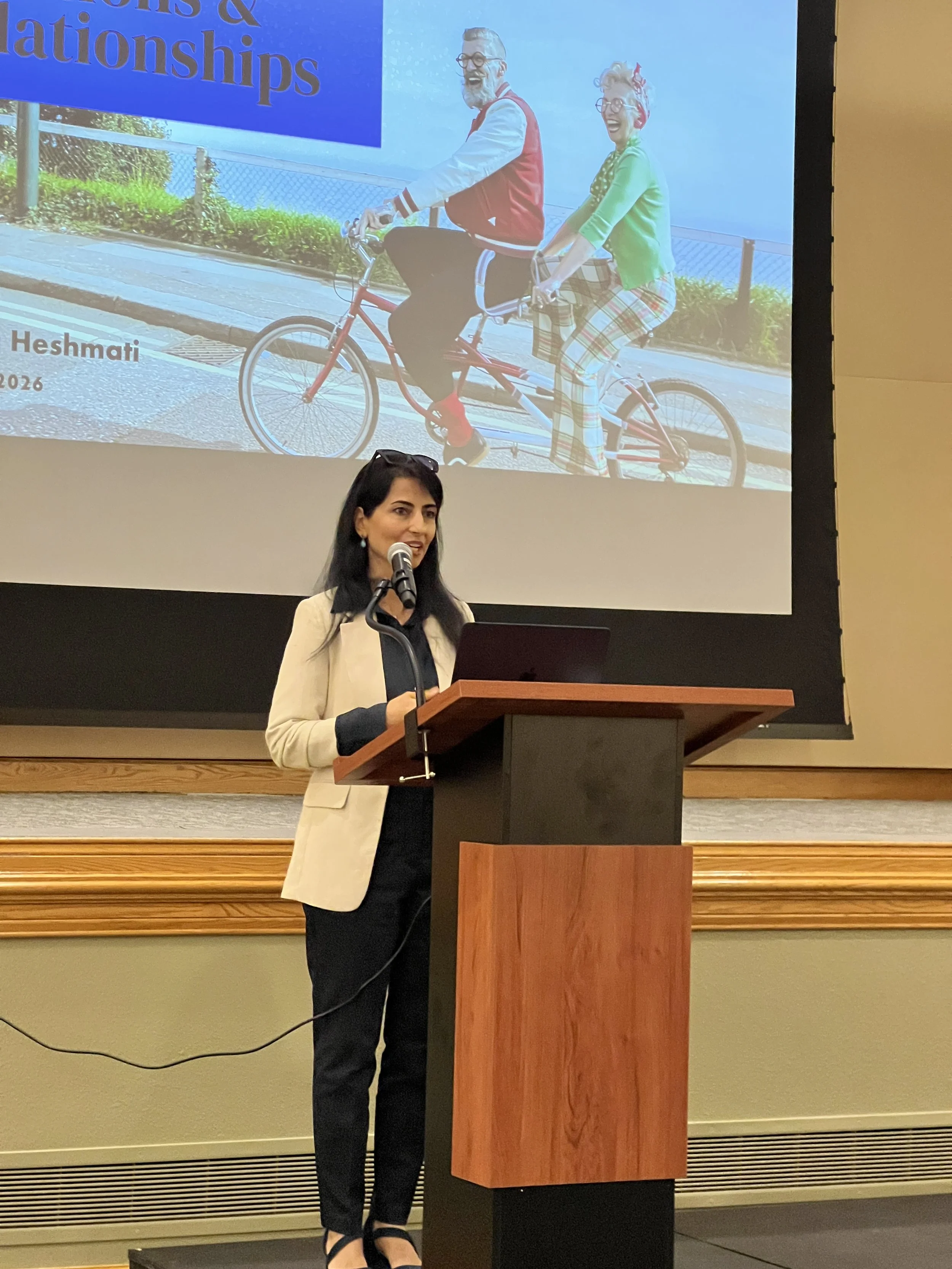
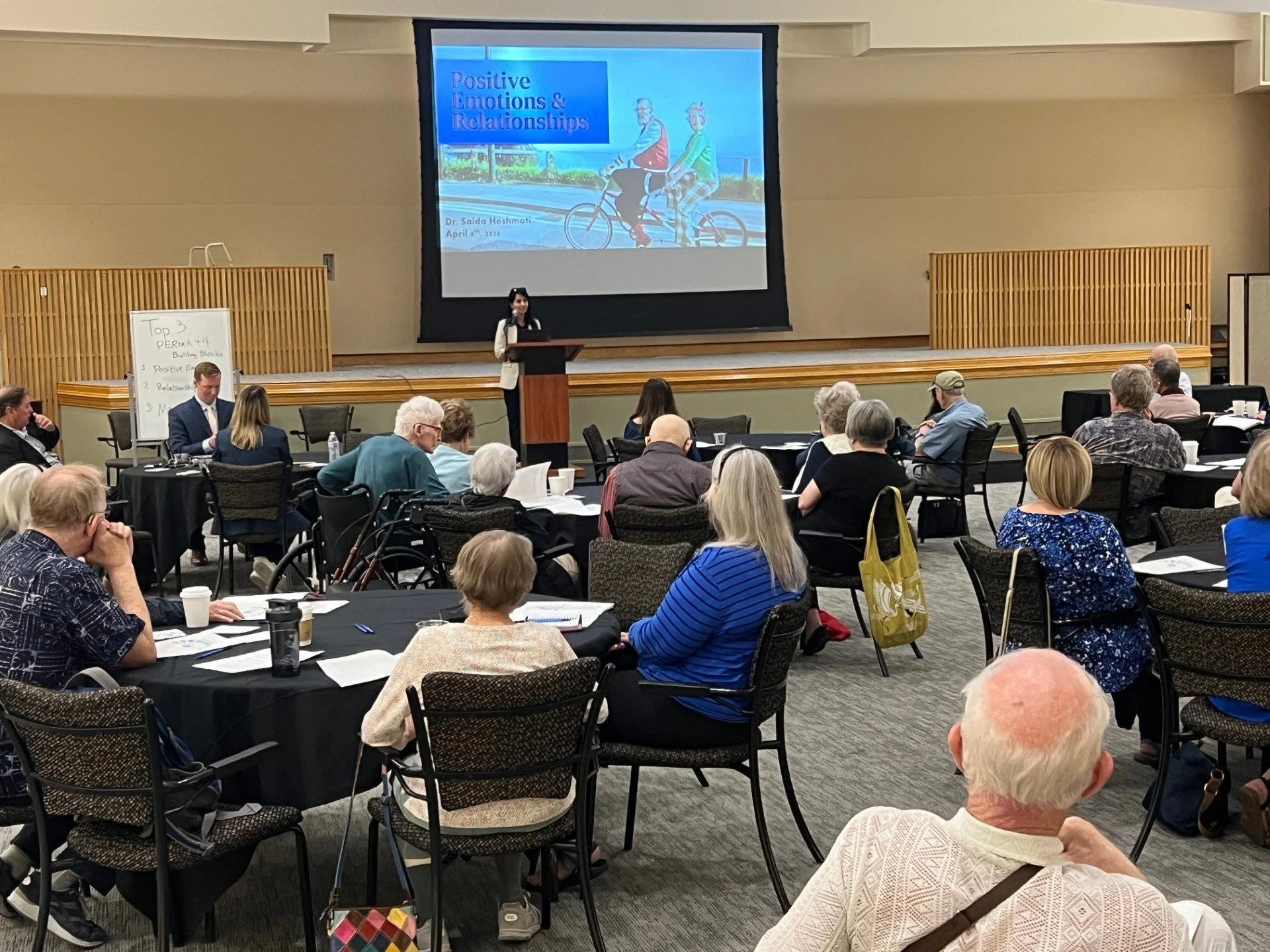
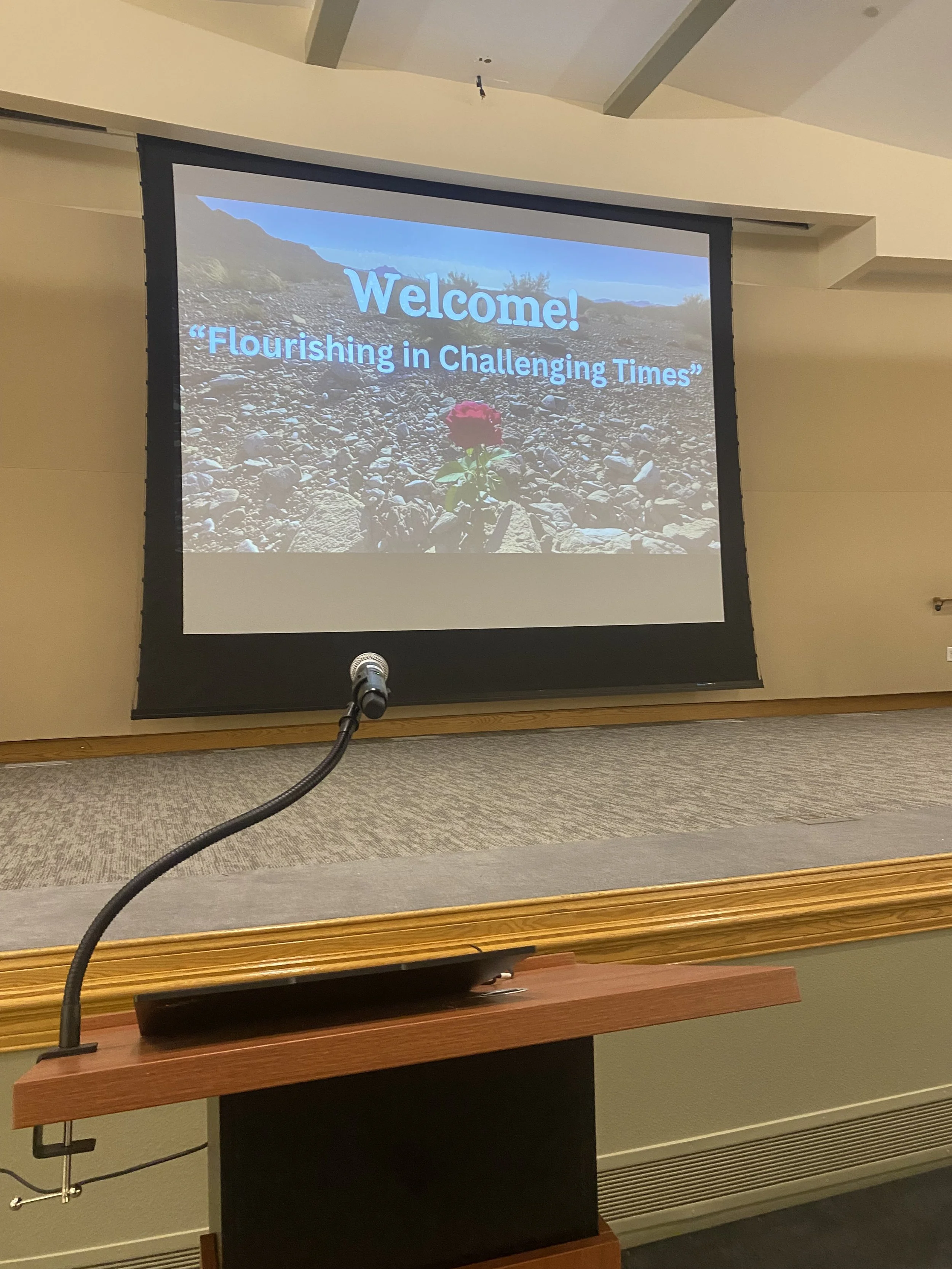
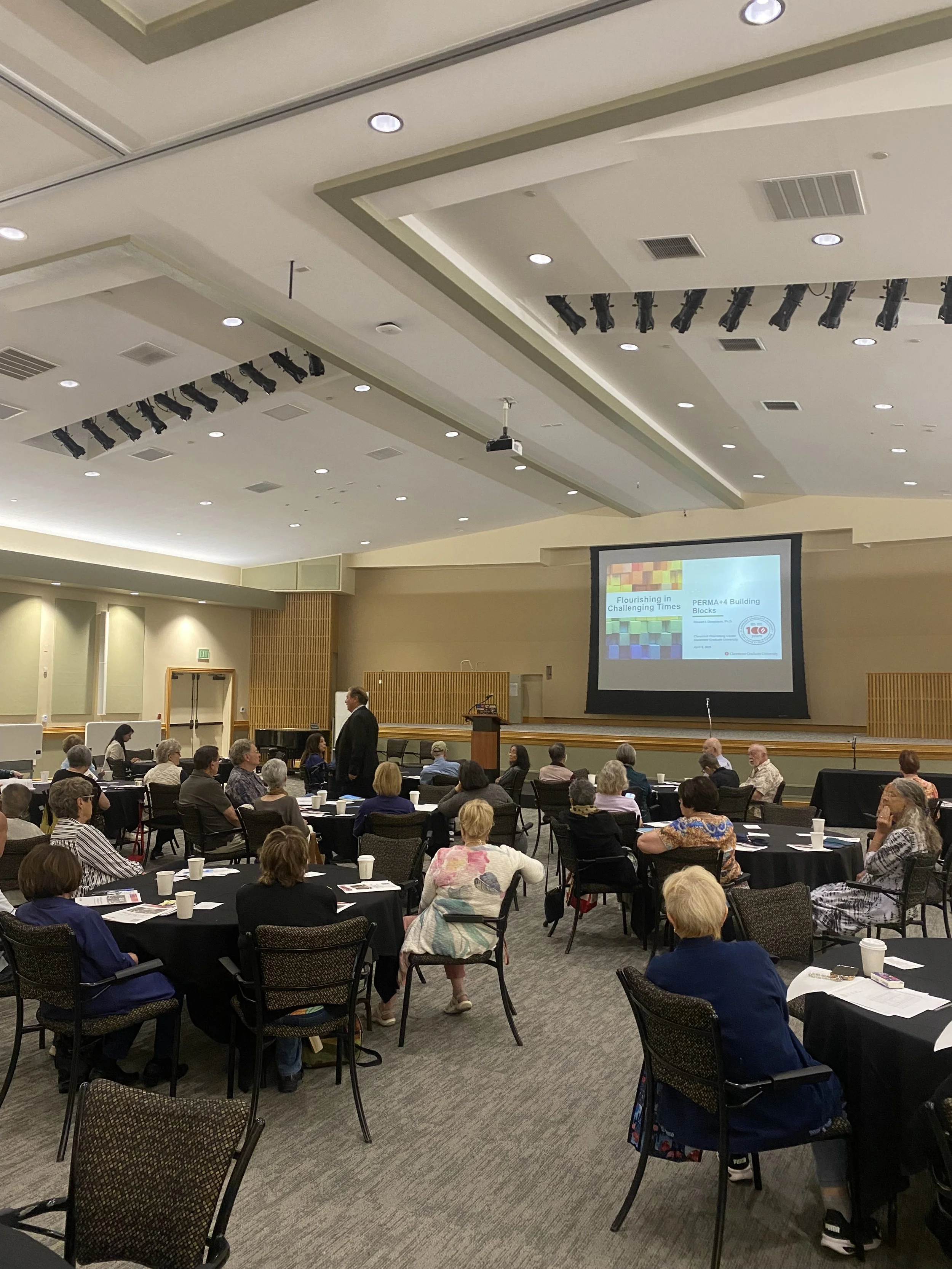
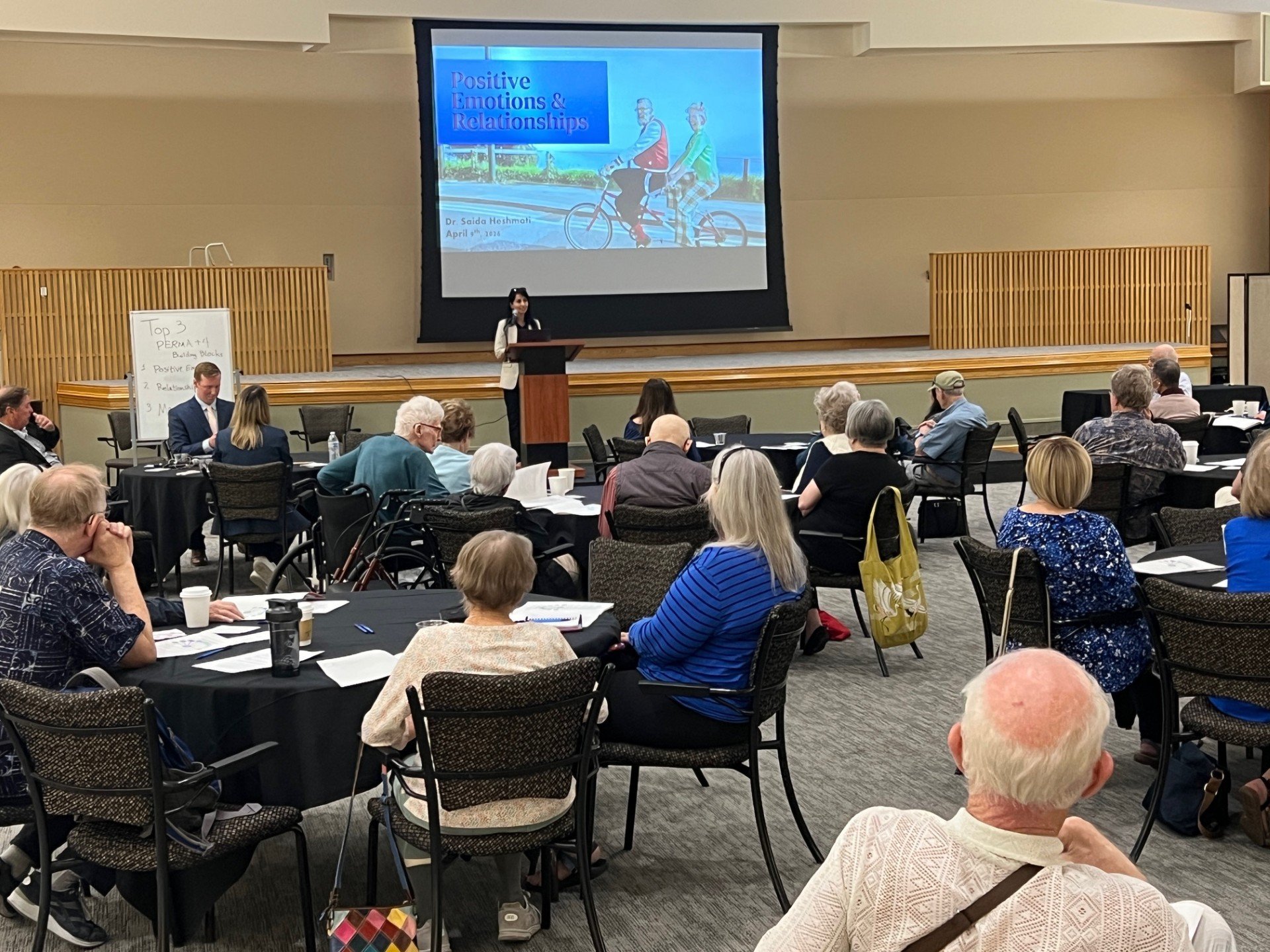
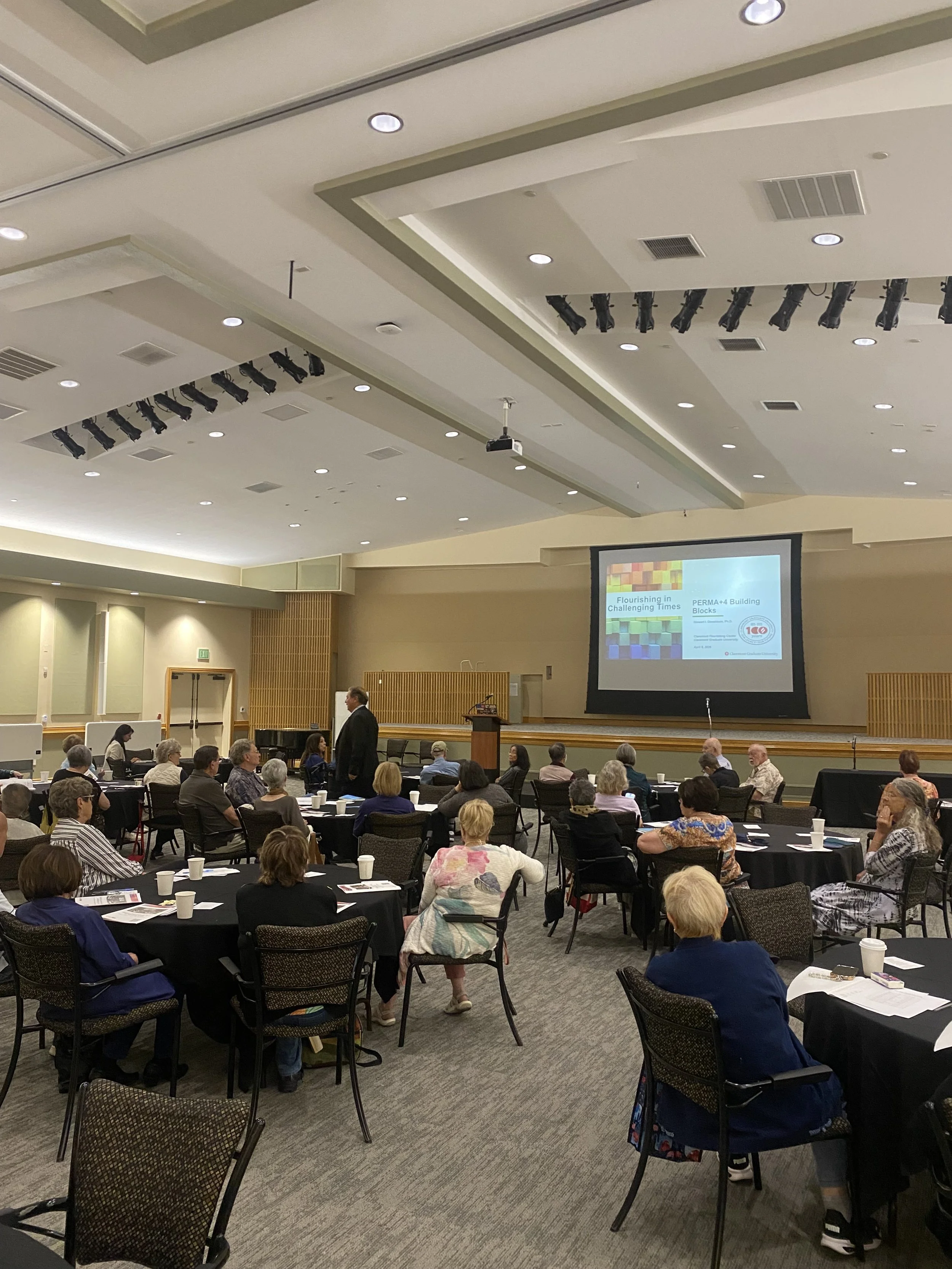
We had the opportunity to step outside of academic spaces and connect directly with the community. Through the Claremont Flourishing Center, Dr. Heshmati gave a talk at a senior center as part of the workshop “Flourishing in Challenging Times.” The conversation focused on positive aging—on how love, relationships, and emotional connection shape wellbeing across the lifespan. It was a powerful reminder that love evolves, deepens, and takes new forms over time. Being in that space and engaging in conversations with older adults reminded us that this work is not just about theory or data. It’s about people.
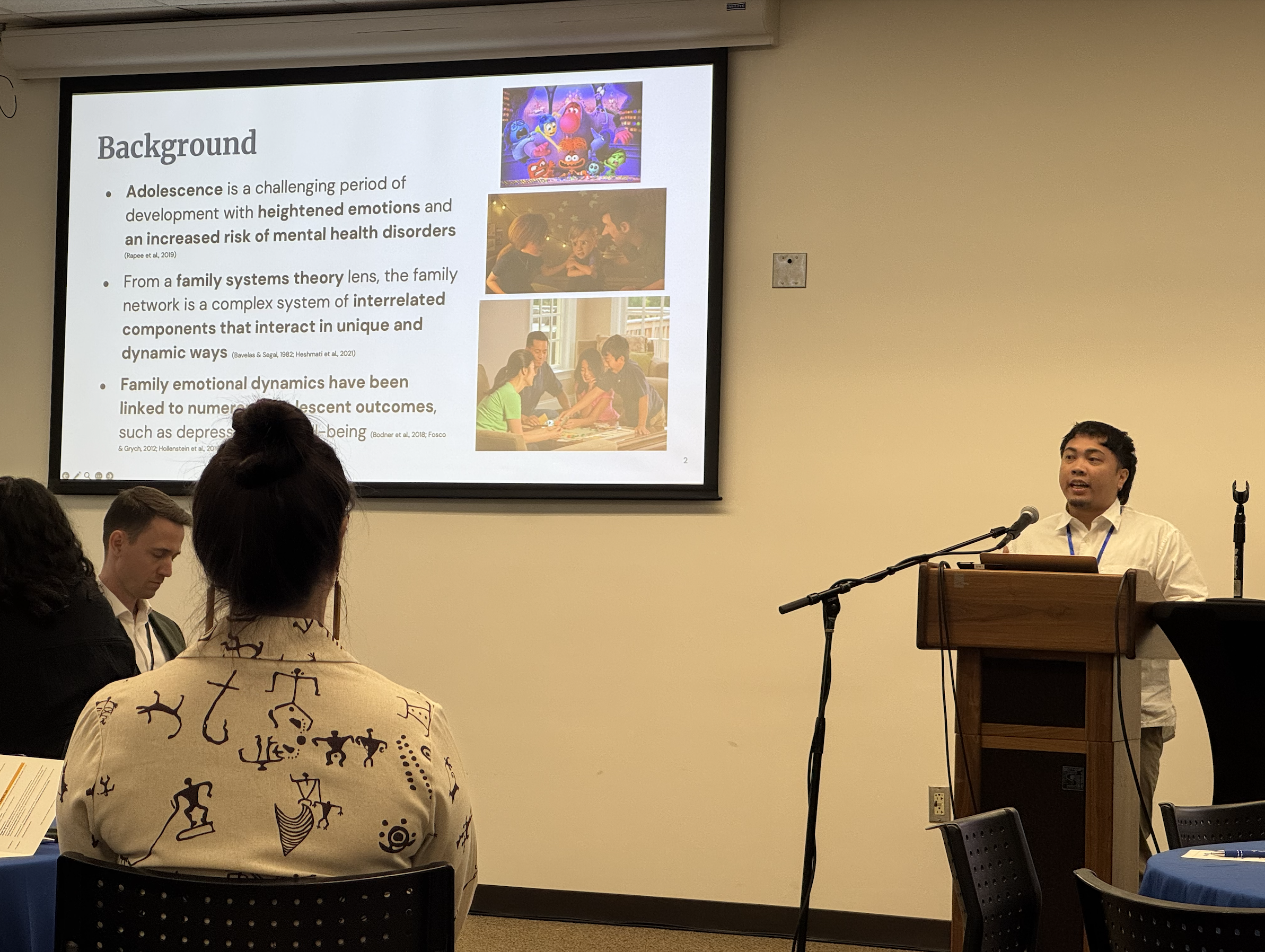
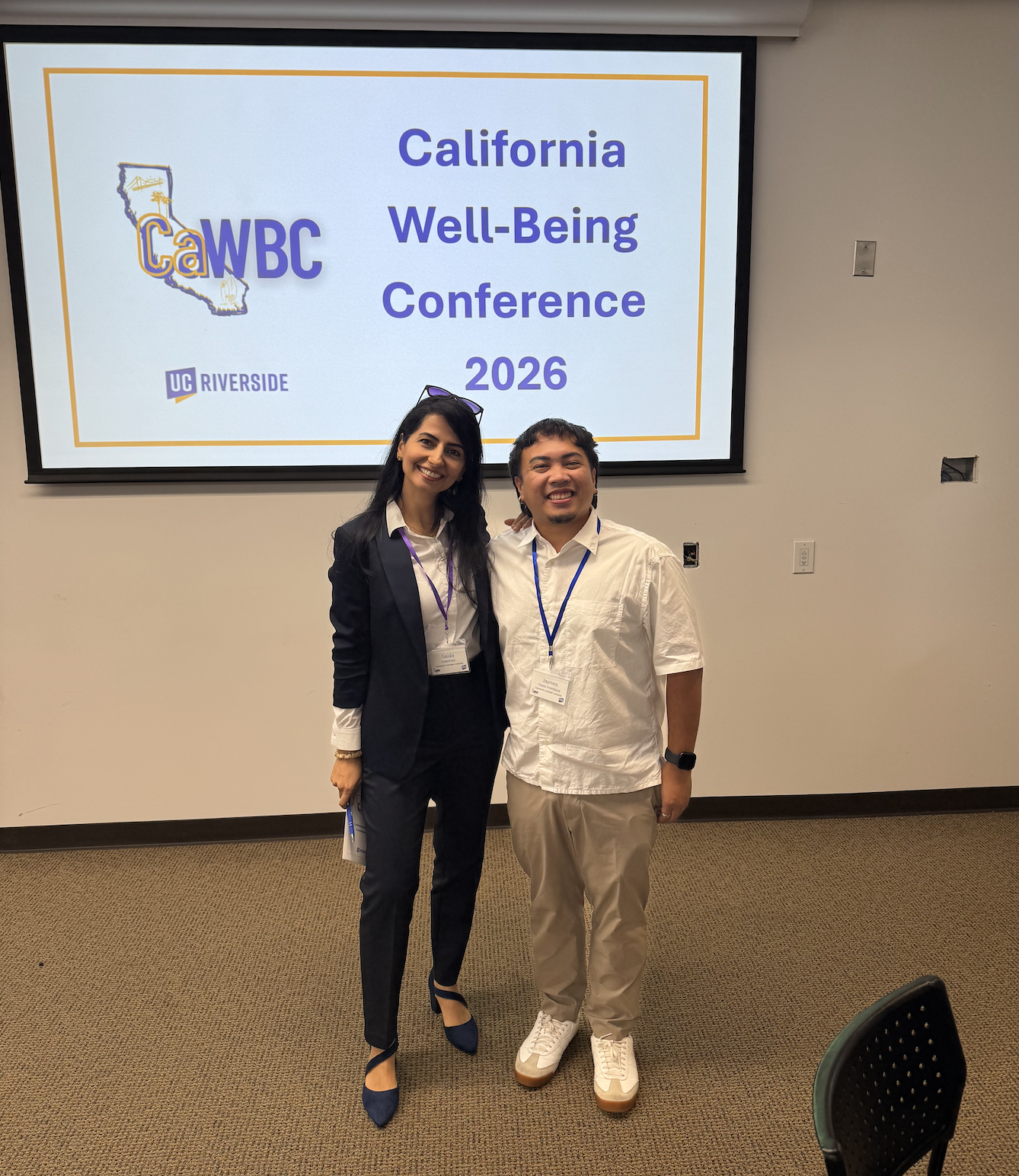
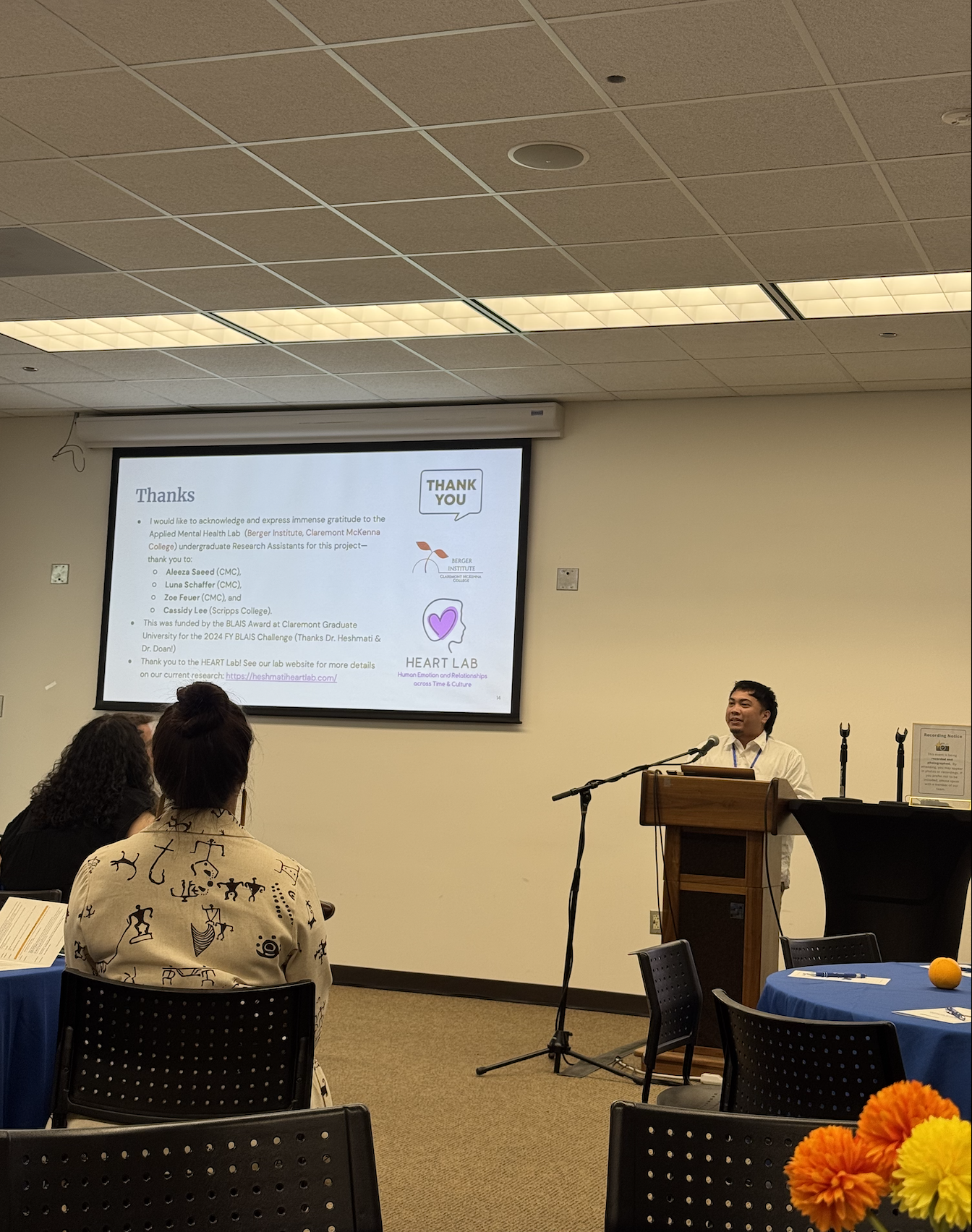
Additionally, our research associate Jaymes presented his work, “Network Dynamics of Family Emotions in Daily Life: A Dynamical Systems Study of Adolescent Well-Being,” at the California Well-Being Conference at UC Riverside. His research explores how emotional patterns within families relate to adolescent wellbeing, highlighting how feeling loved is connected to positive emotional dynamics. It was exciting to see this work shared and to be part of a broader community of researchers asking similar questions about connection, emotion, and human flourishing.
Moments like these ground what we do. They remind us that research is not just about understanding the world, but about contributing to it—about helping people live more connected, meaningful lives.
