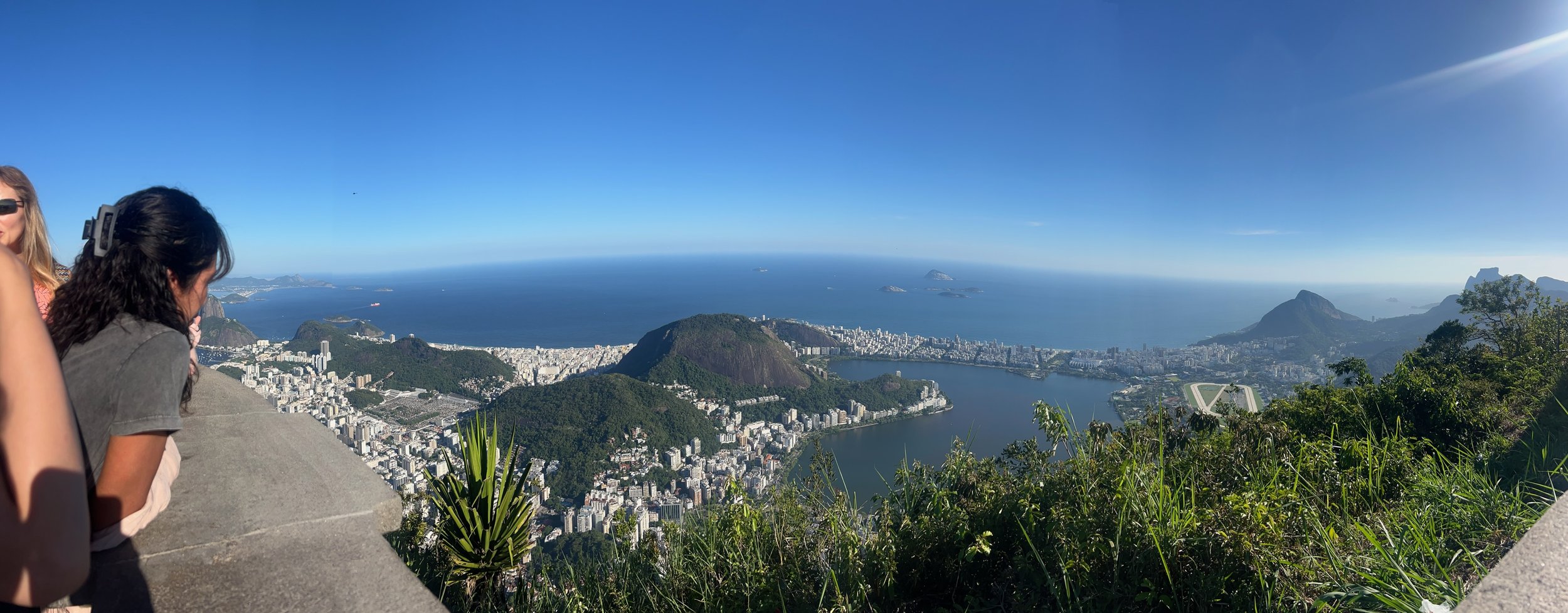
Obrigado Brasil!
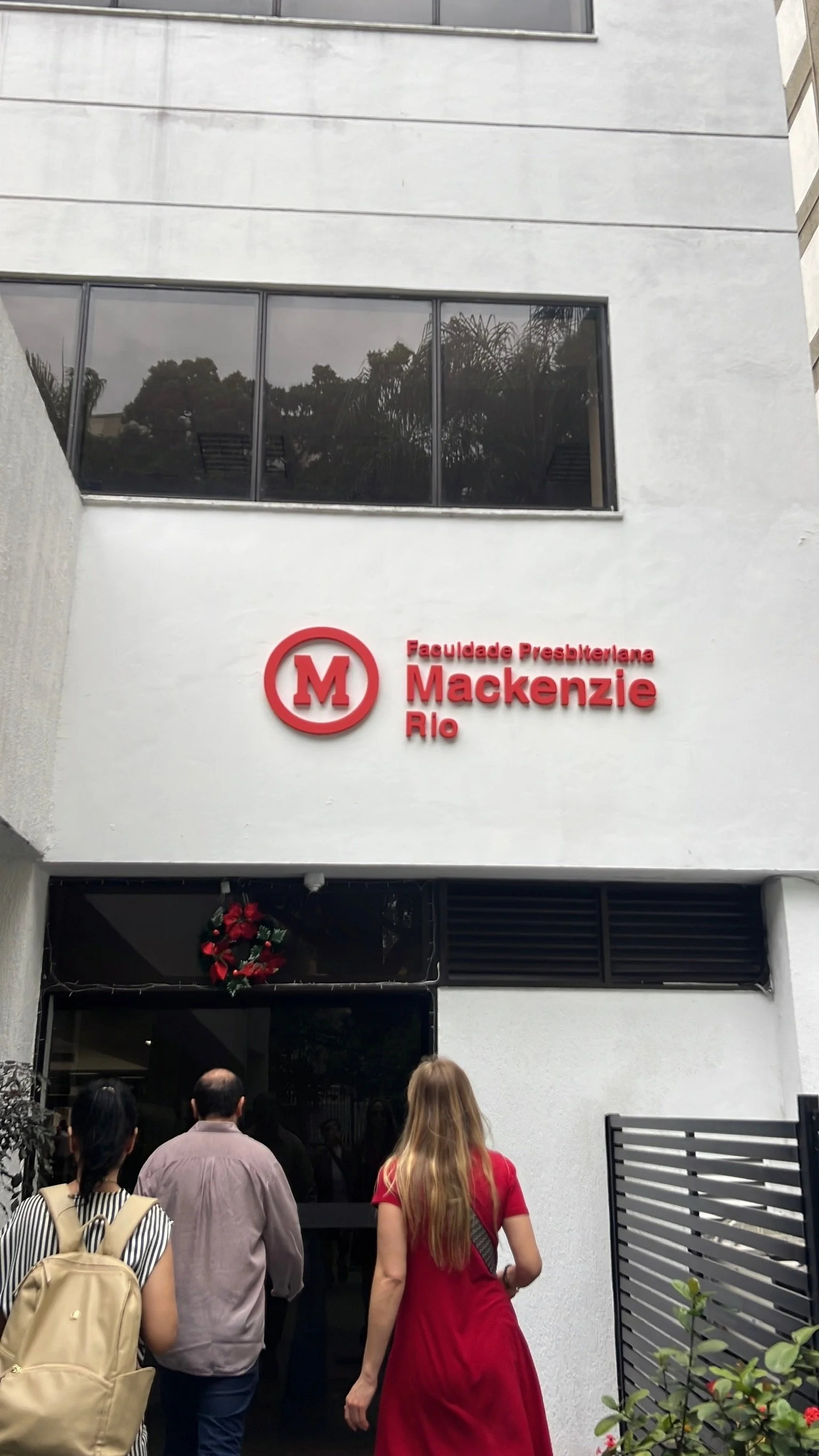
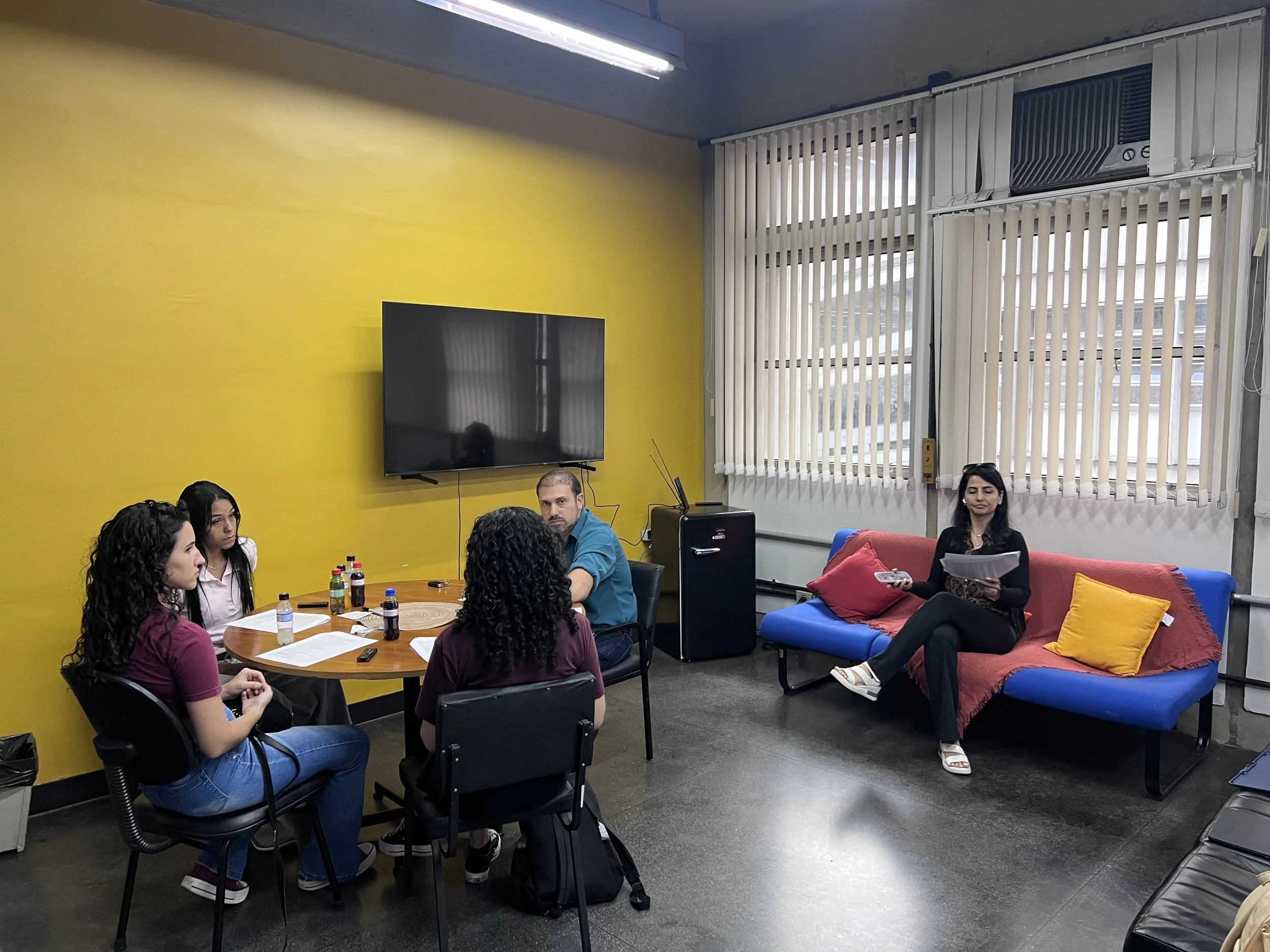
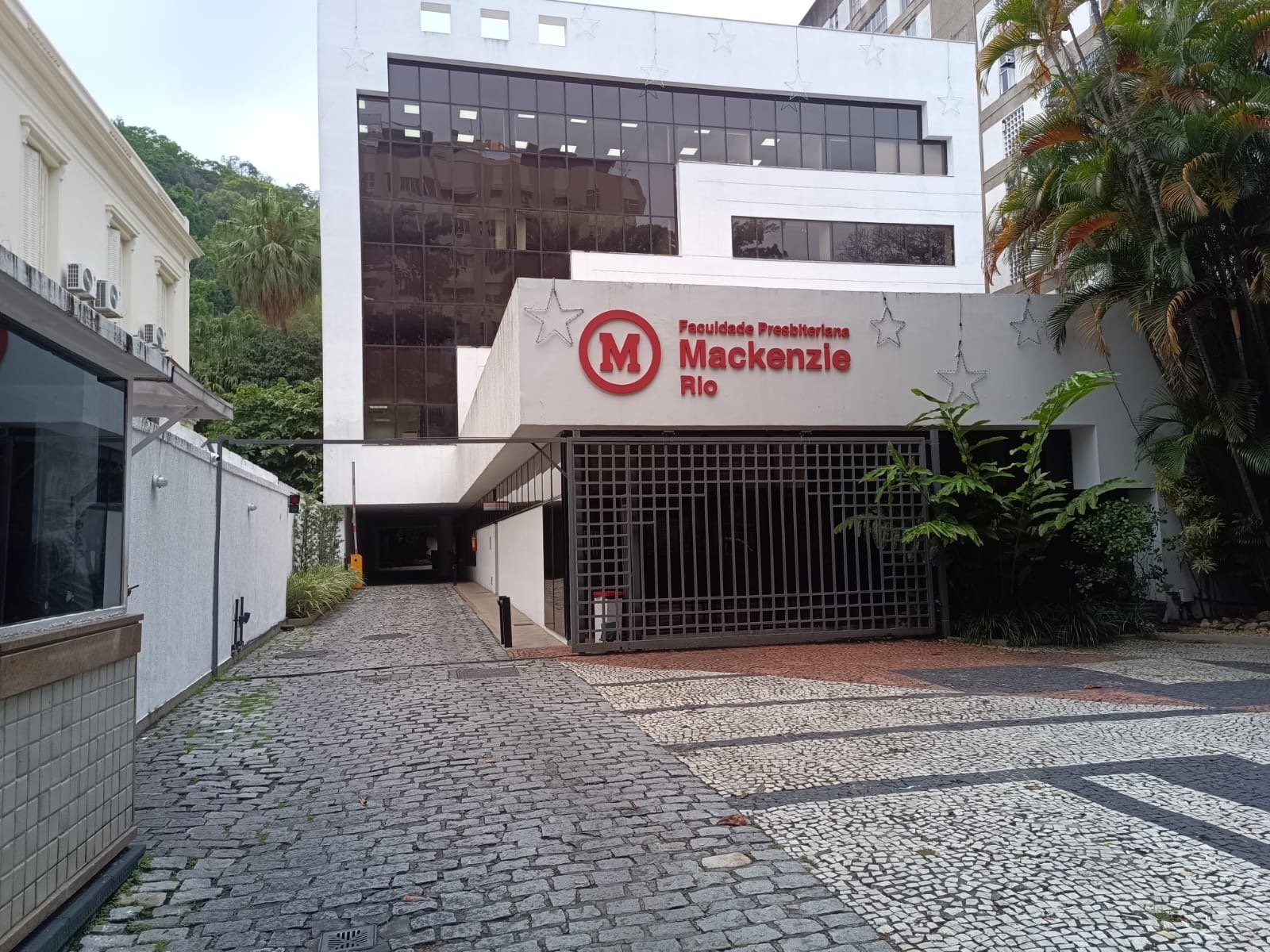
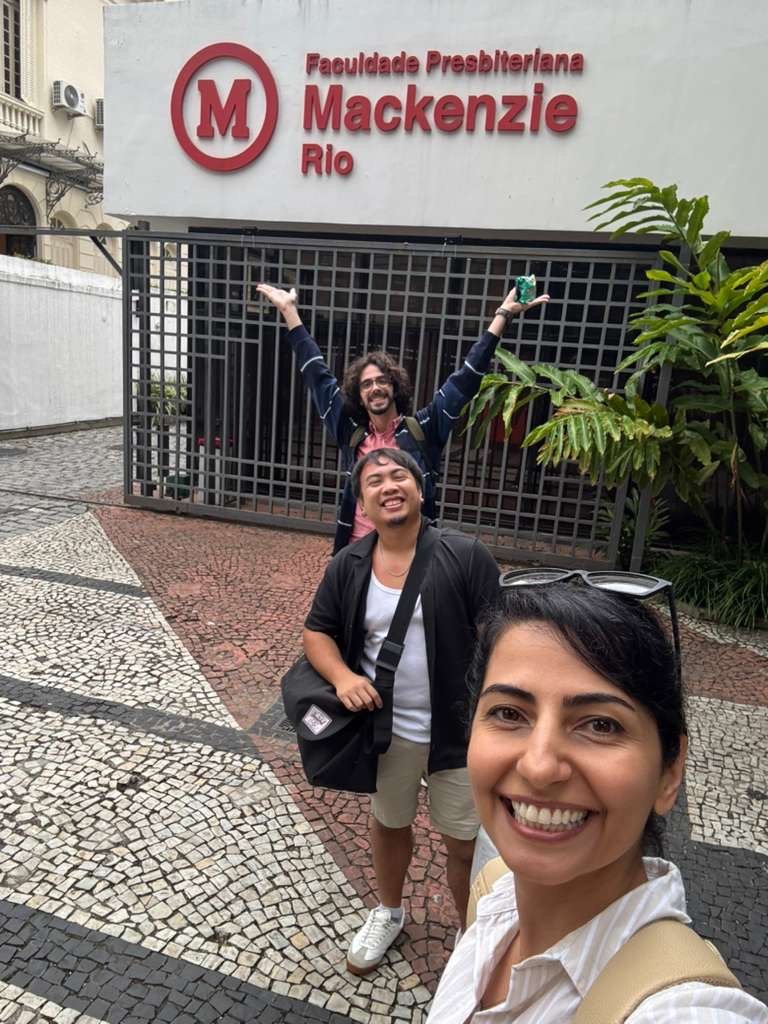
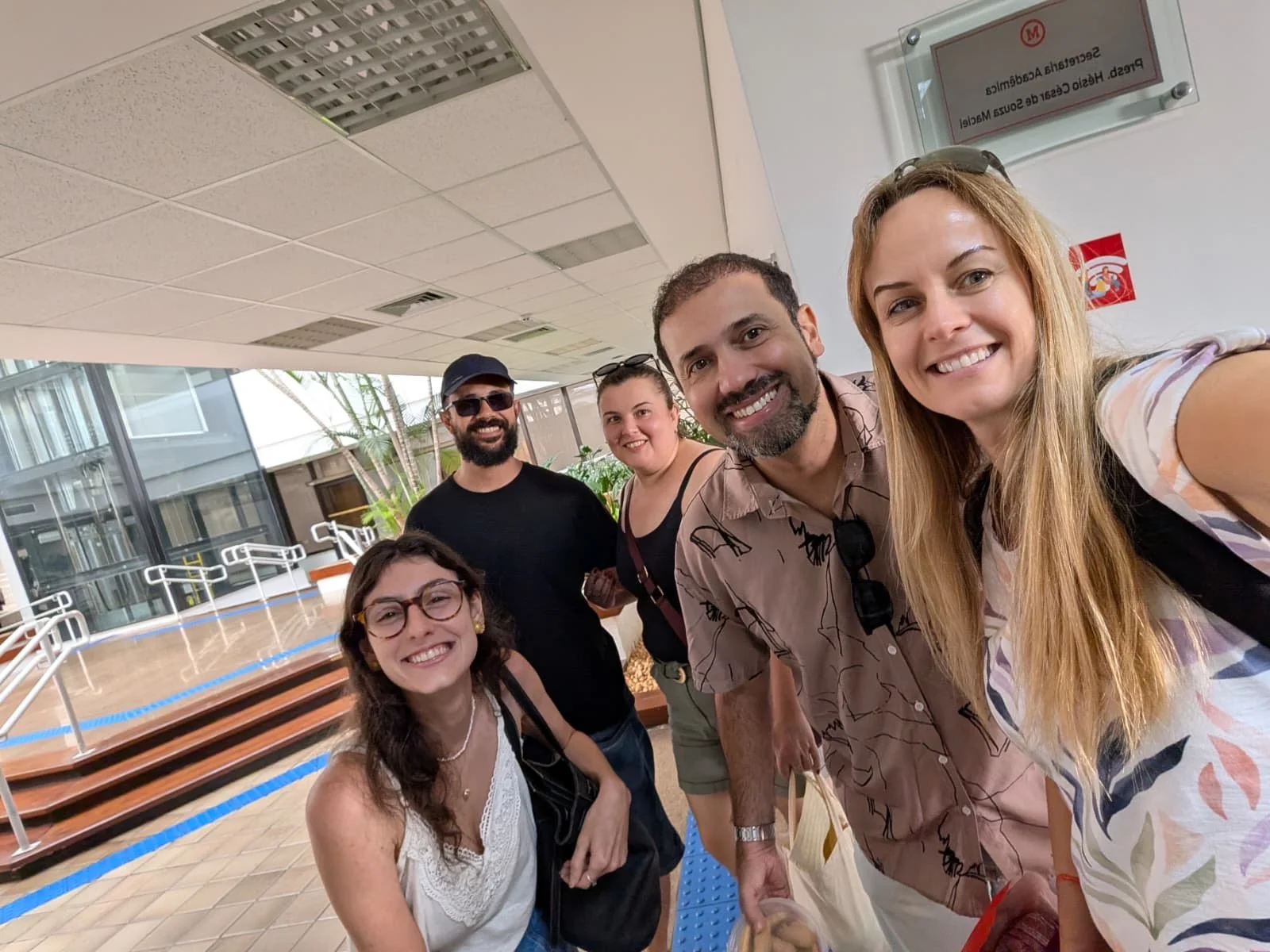
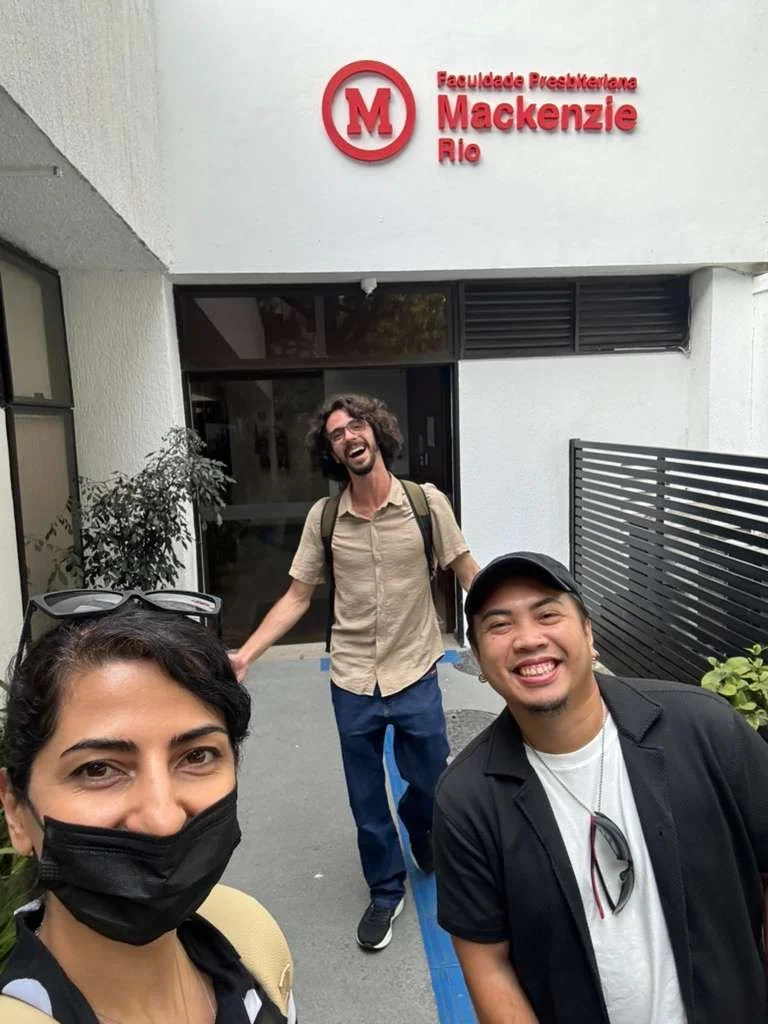
The research team at Mackenzie University in Rio de Janeiro.
Oi! We are returning from a deeply rewarding and memory-filled month in Brazil– the second country in our Templeton cross-cultural love project fieldwork sites. Last month, our team traveled to Rio de Janeiro for the qualitative phase of our Brazil love project. With the help of our wonderful, generous local collaborators and participants, we conducted 100+ in-depth interviews and focus group discussions that allowed us to learn about how people in Brazil experience and express love in everyday life, across all kinds of relationships and situations.
Qualitative fieldwork is always one of the most meaningful parts of our research process. While survey data allows us to measure shared beliefs at scale, interviews give us the nuance, stories, and lived experiences that bring those patterns to life. In Brazil, participants shared reflections on care, connection, family, friendship, affection, and community. These conversations will form the foundation for our next stage of qualitative analysis, and the FLQ-Brazil measure for our upcoming quantitative phase.
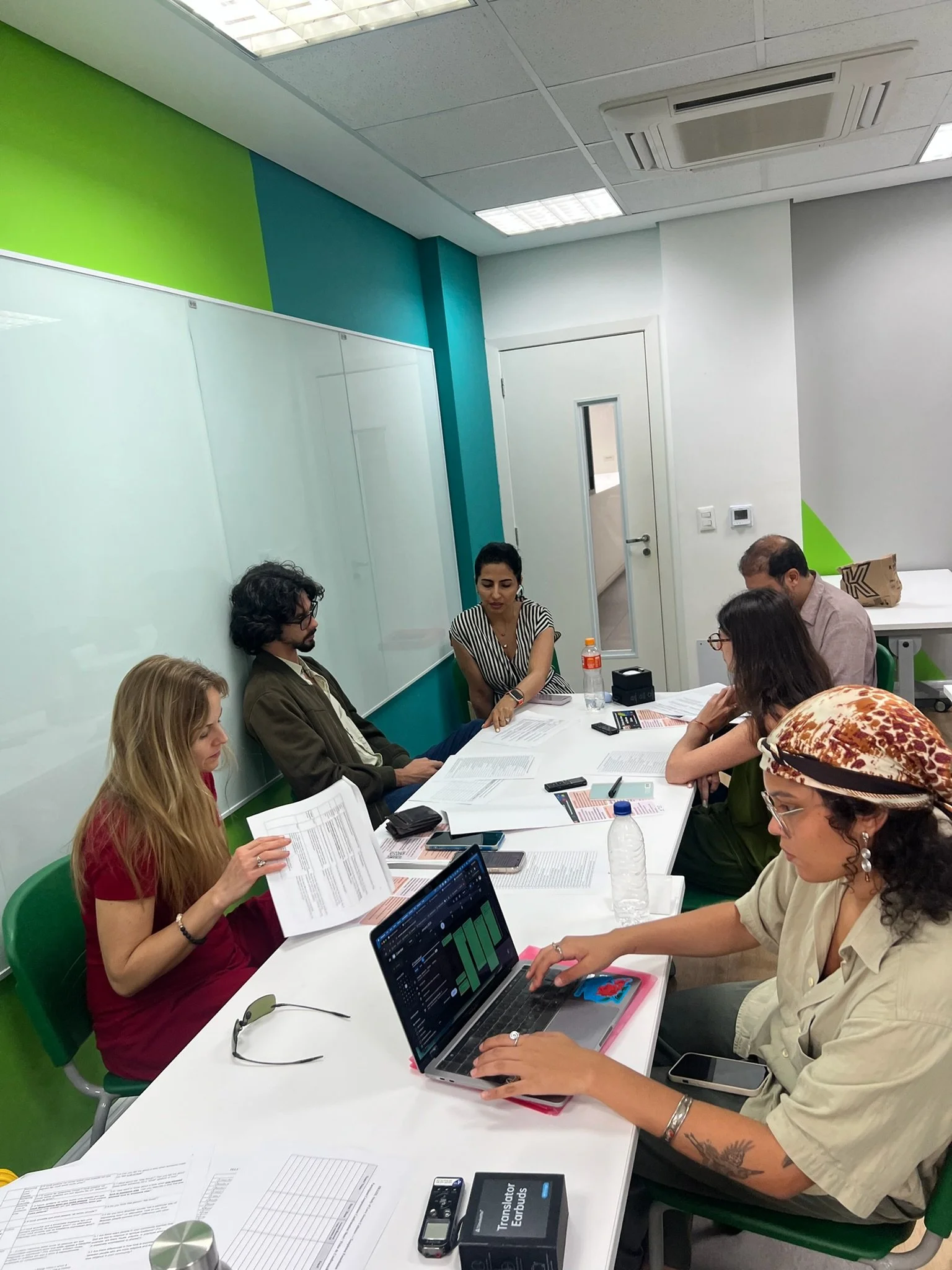
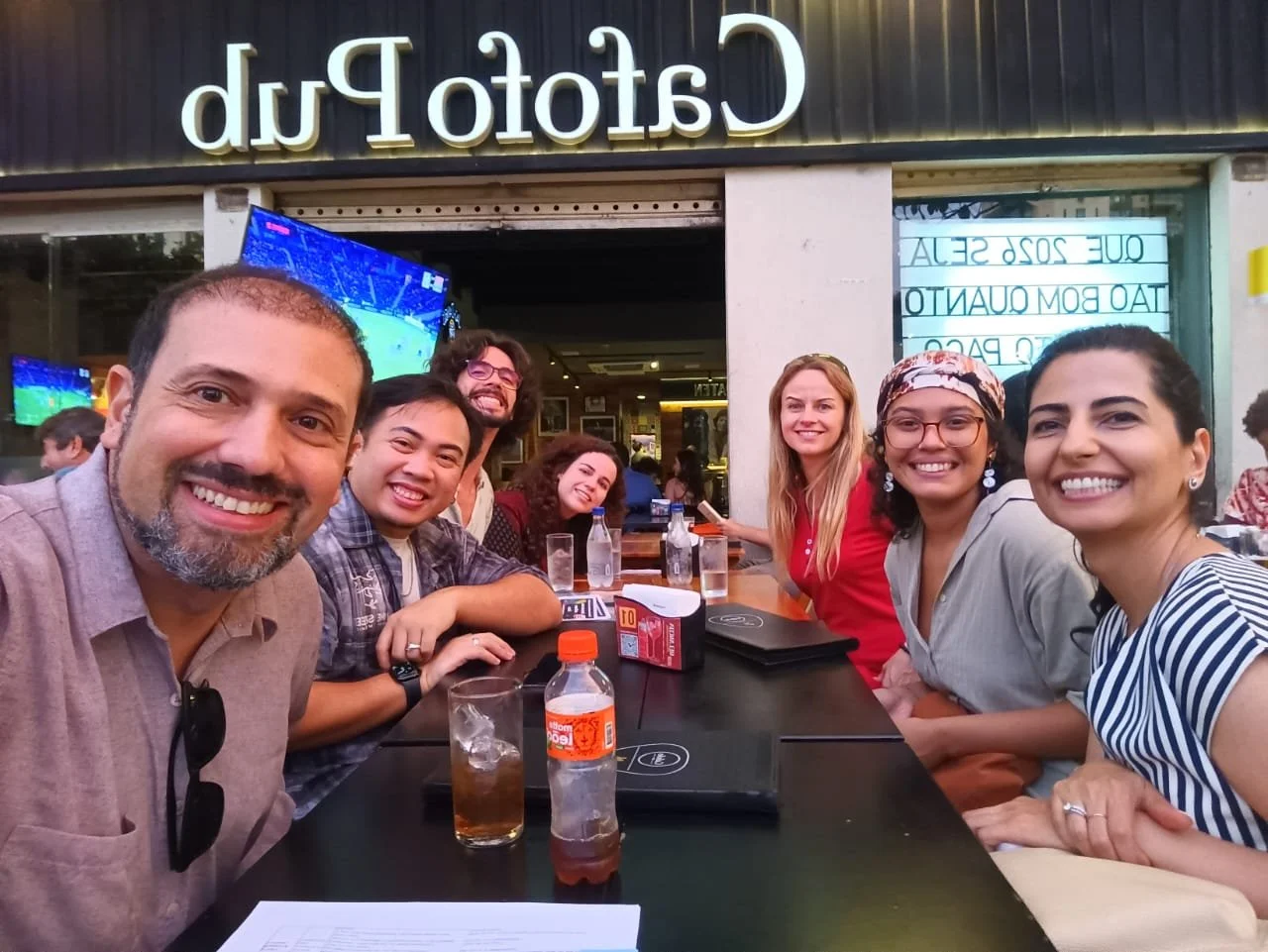
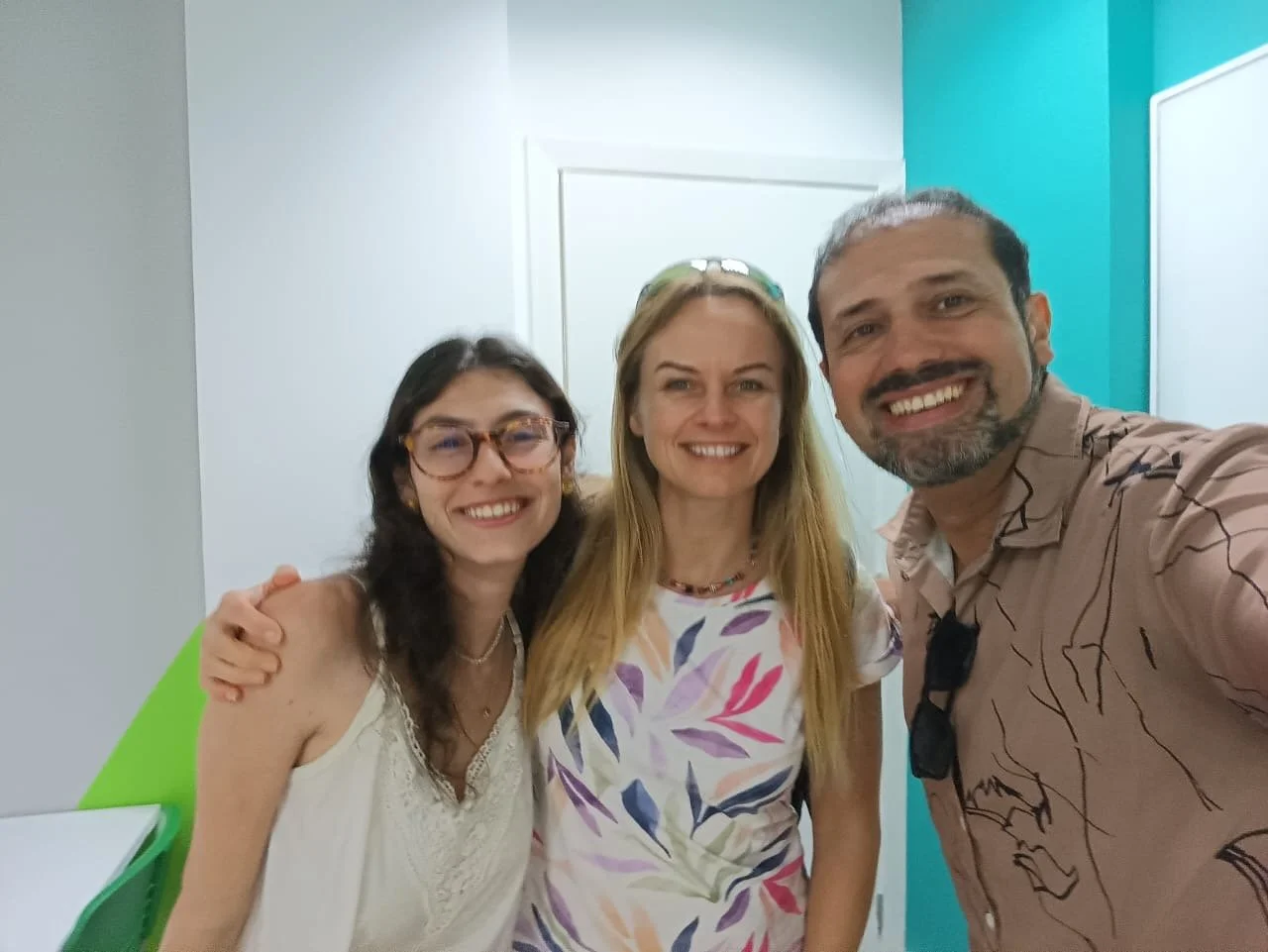
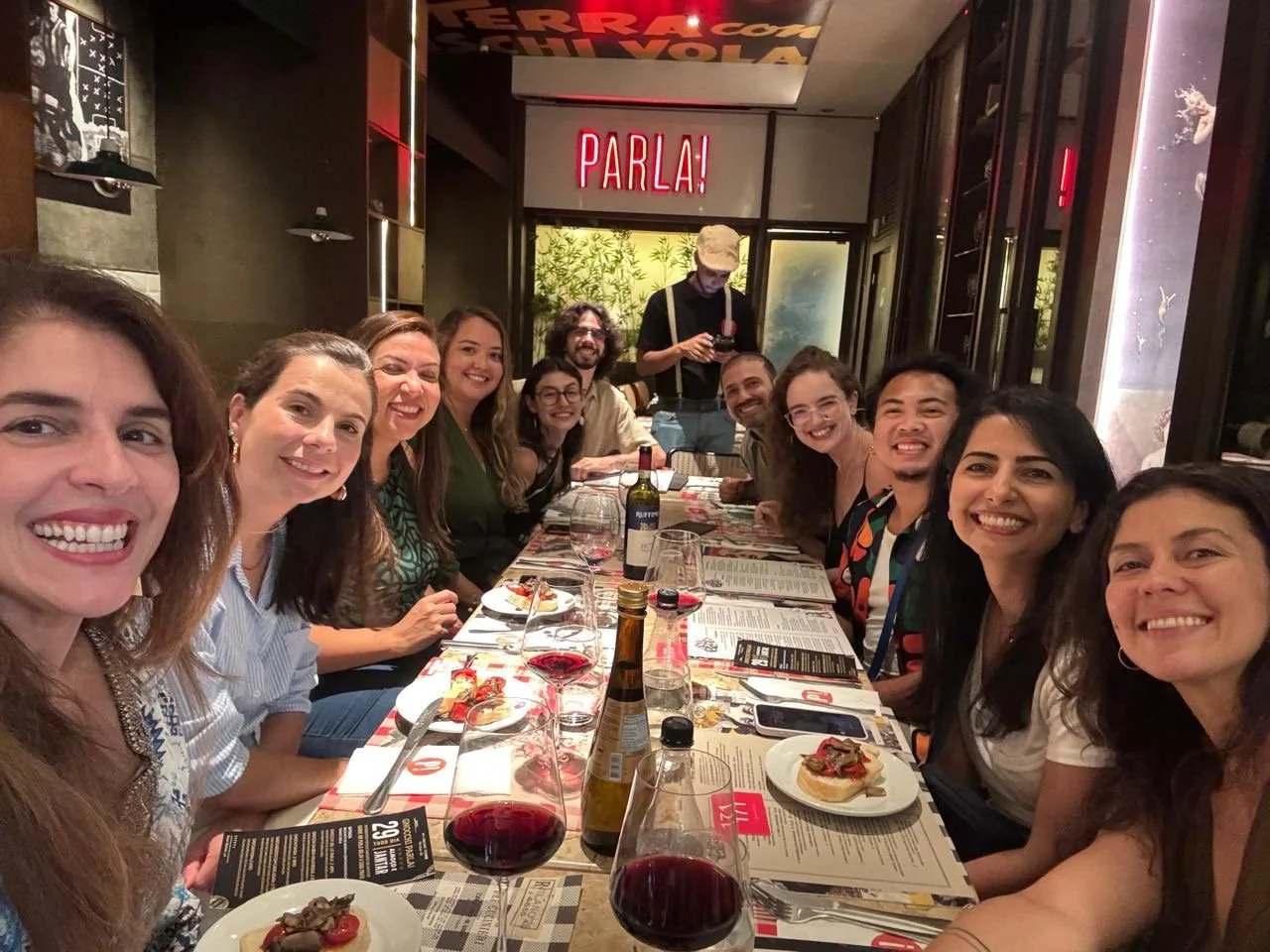
Research team meting vibes~
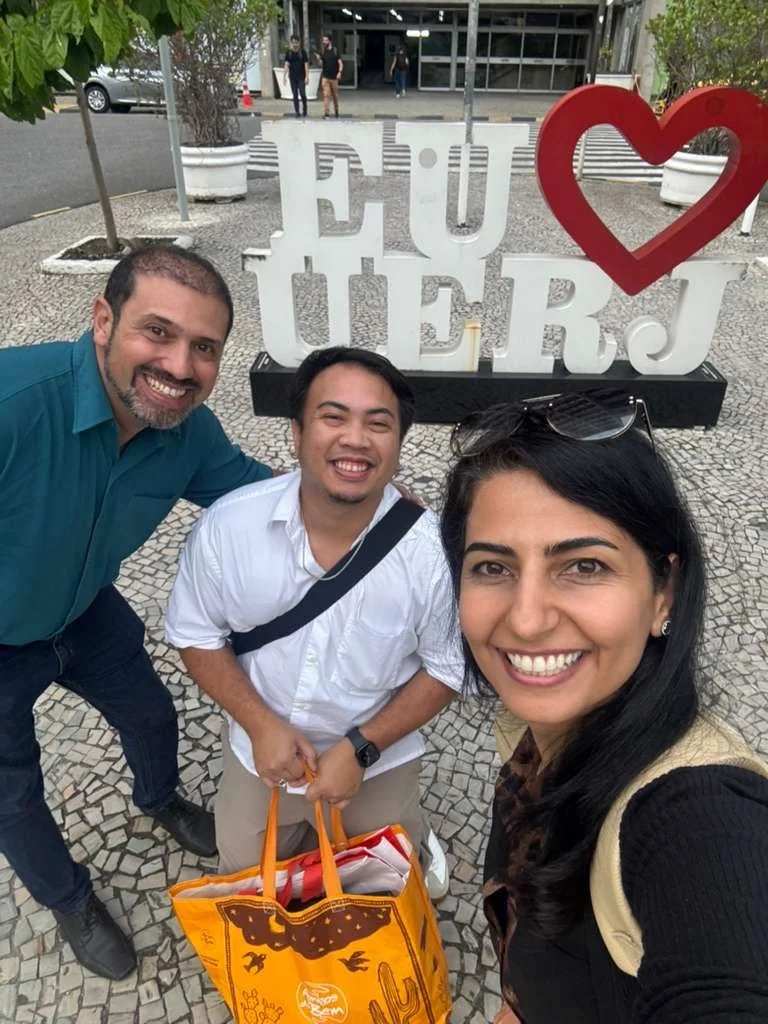
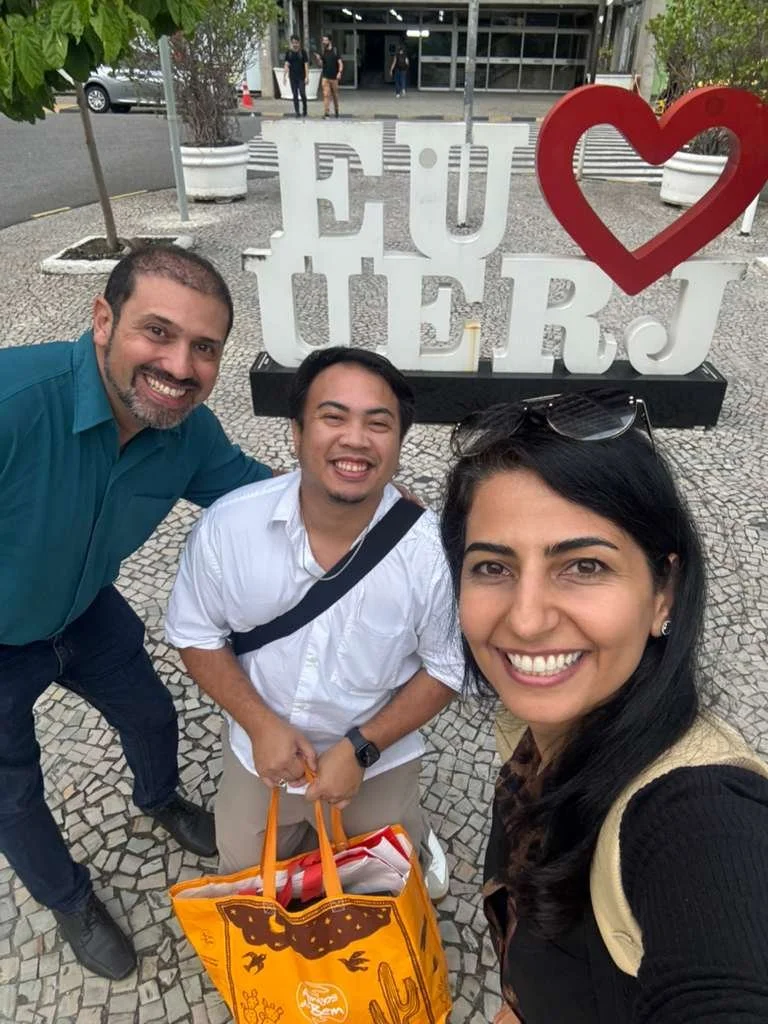
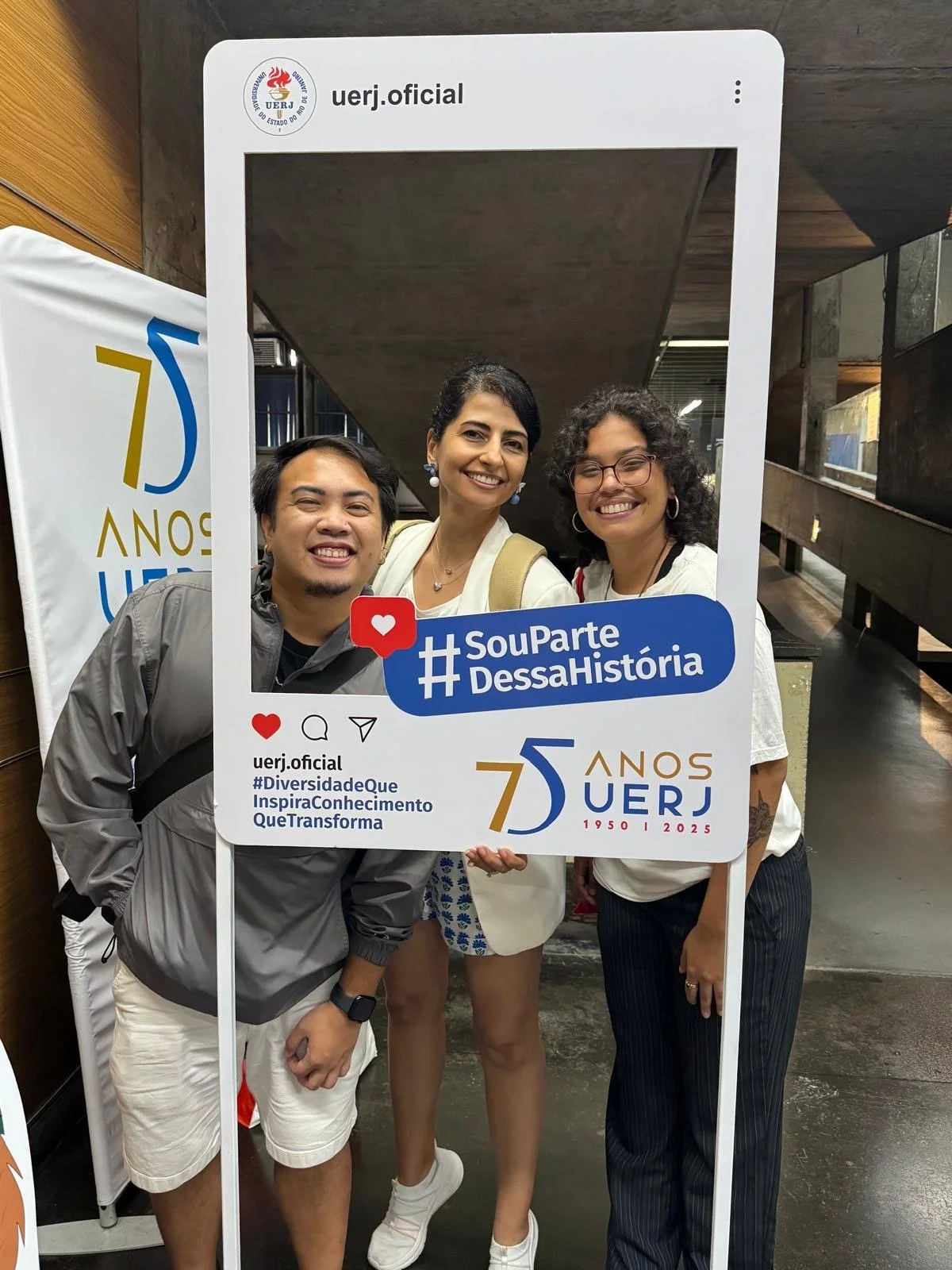
Dr. Cassep-Borges, Jaymes Rombaoa, and Dr. Saida Heshmati in front of a “I <3 UERJ” sign
Beyond data collection, this trip was also about collaboration and partnership. We had the privilege of working closely with our Brazilian collaborators, Vicente Cassep-Borges and his students, who welcomed us so warmly. Their insight, dedication, and expertise are central to this project. From conducting interviews to navigating translation and transcription, their contributions make this bilingual cross-cultural work possible. Spending time together in Rio was one of our highlights.
Beyond the research setting, immersing ourselves in Brazilian culture, daily life, and social rhythms provided important context for understanding how love is embedded in local practices and community life. As we transition into the coding and analysis phase, we carry with us both an expanded dataset and a deeper appreciation for the cultural richness that shapes everyday experiences of love in Brazil.
We are so grateful for an unforgettable month of research, and we are excited to tell you about our findings on love in everyday life in the cultural context of Brazil.
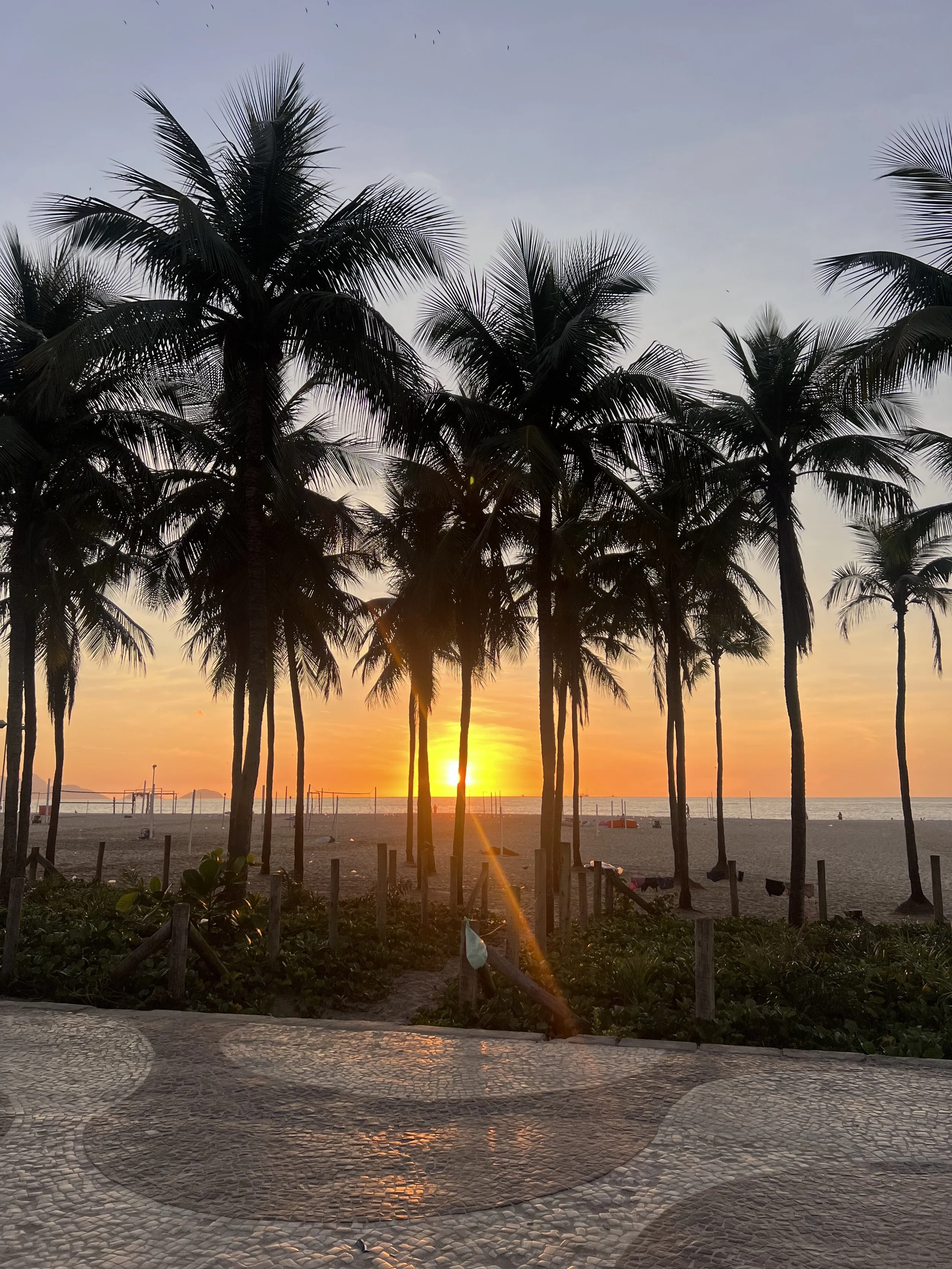
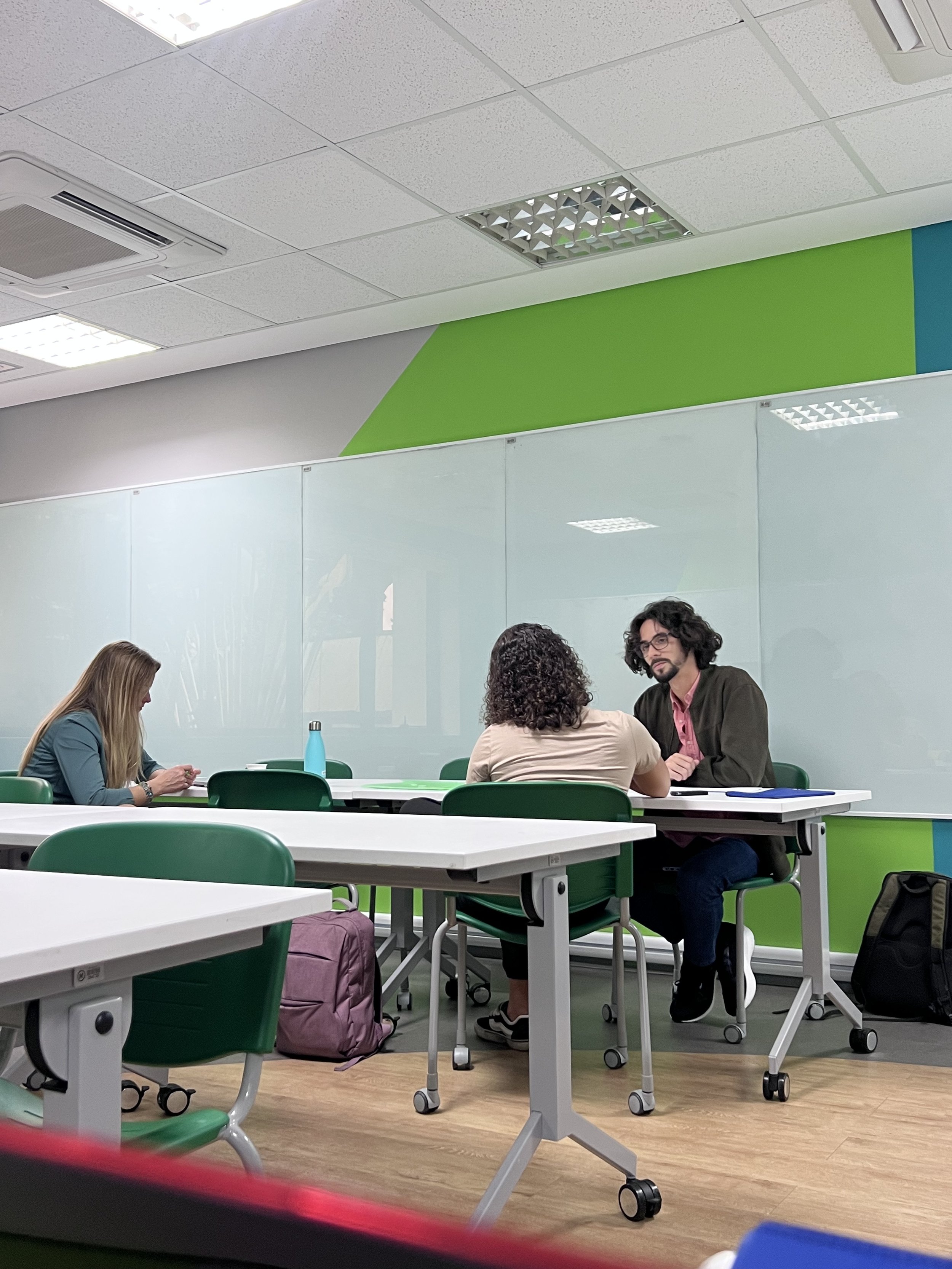
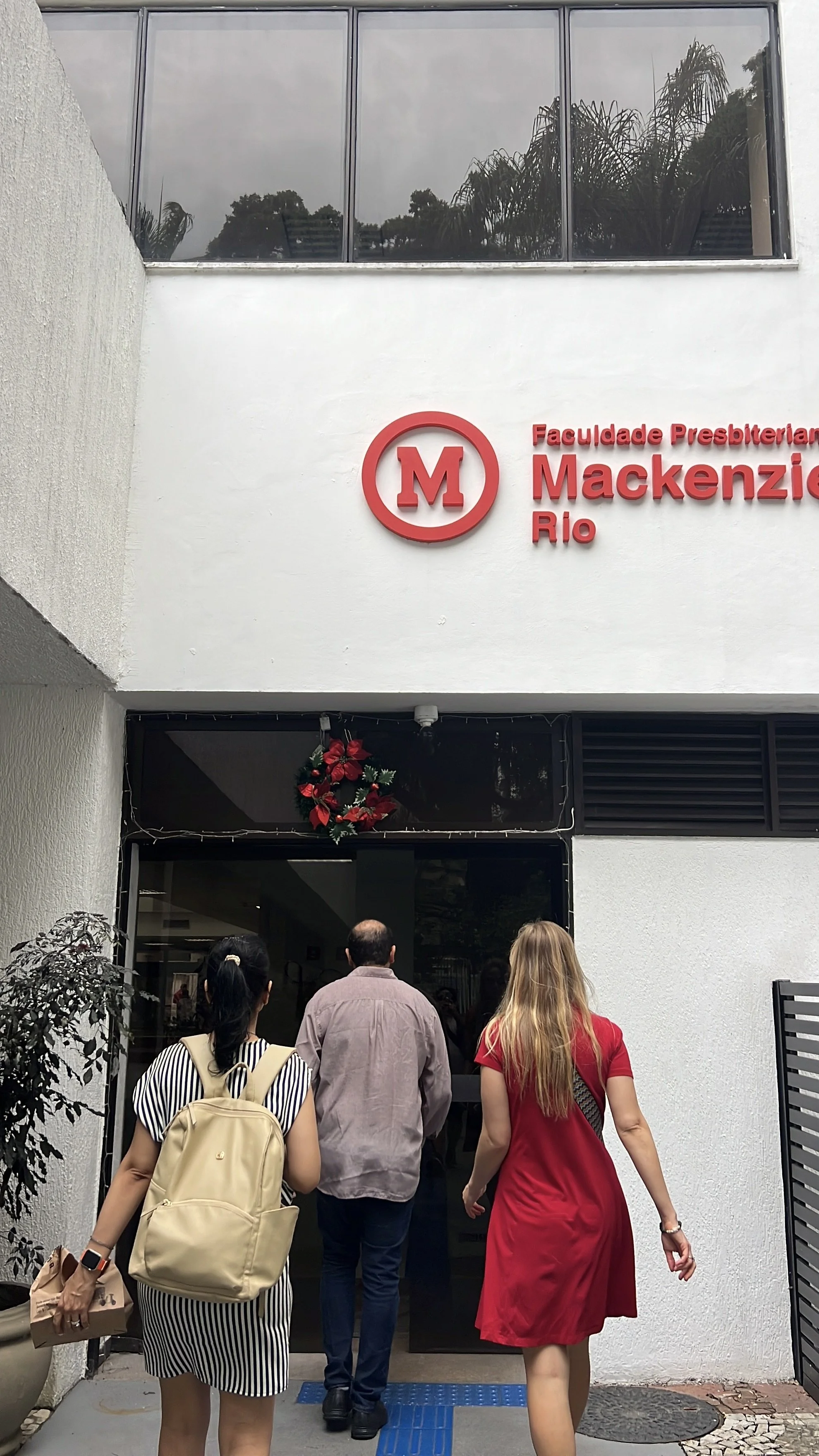
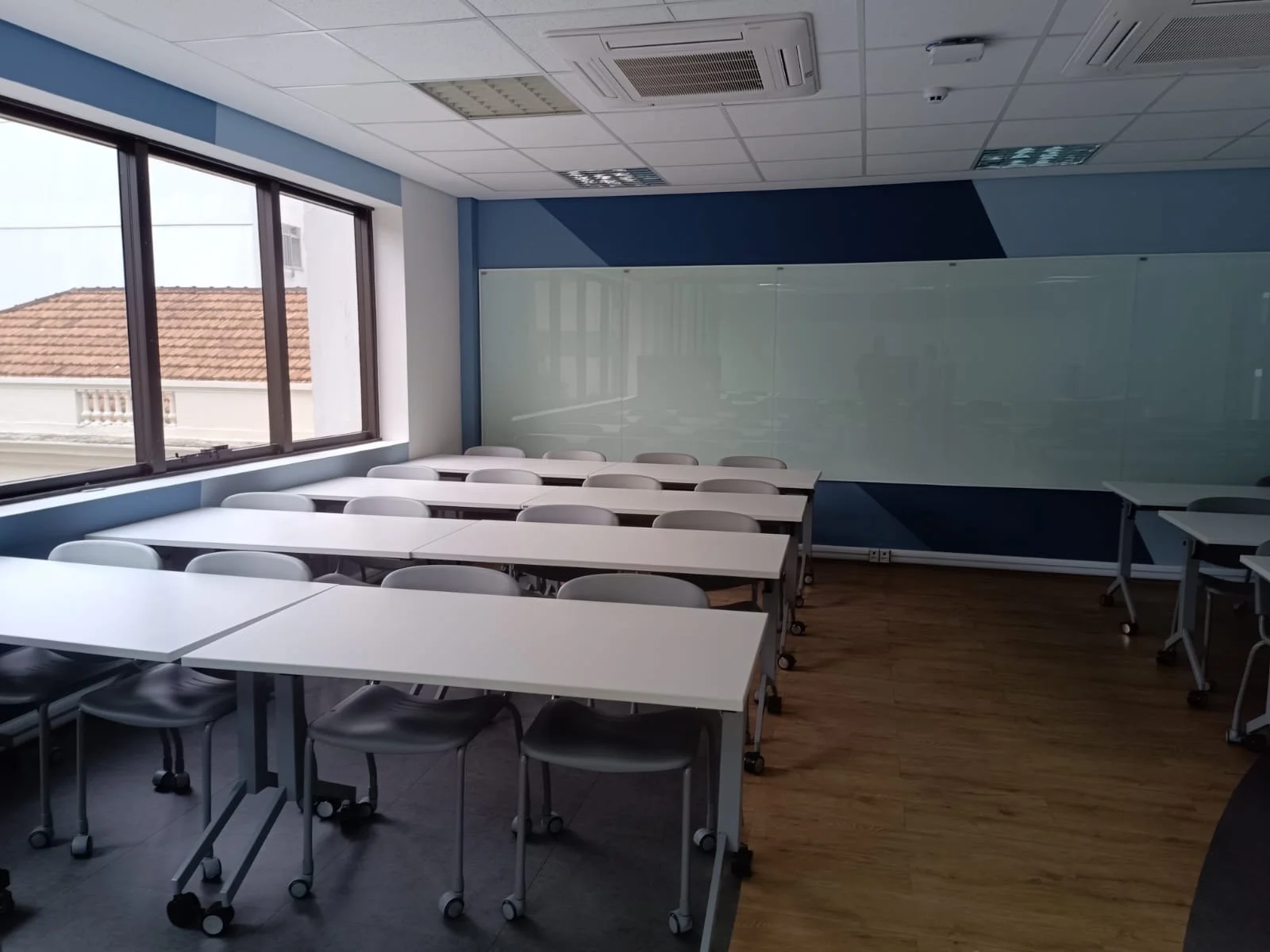
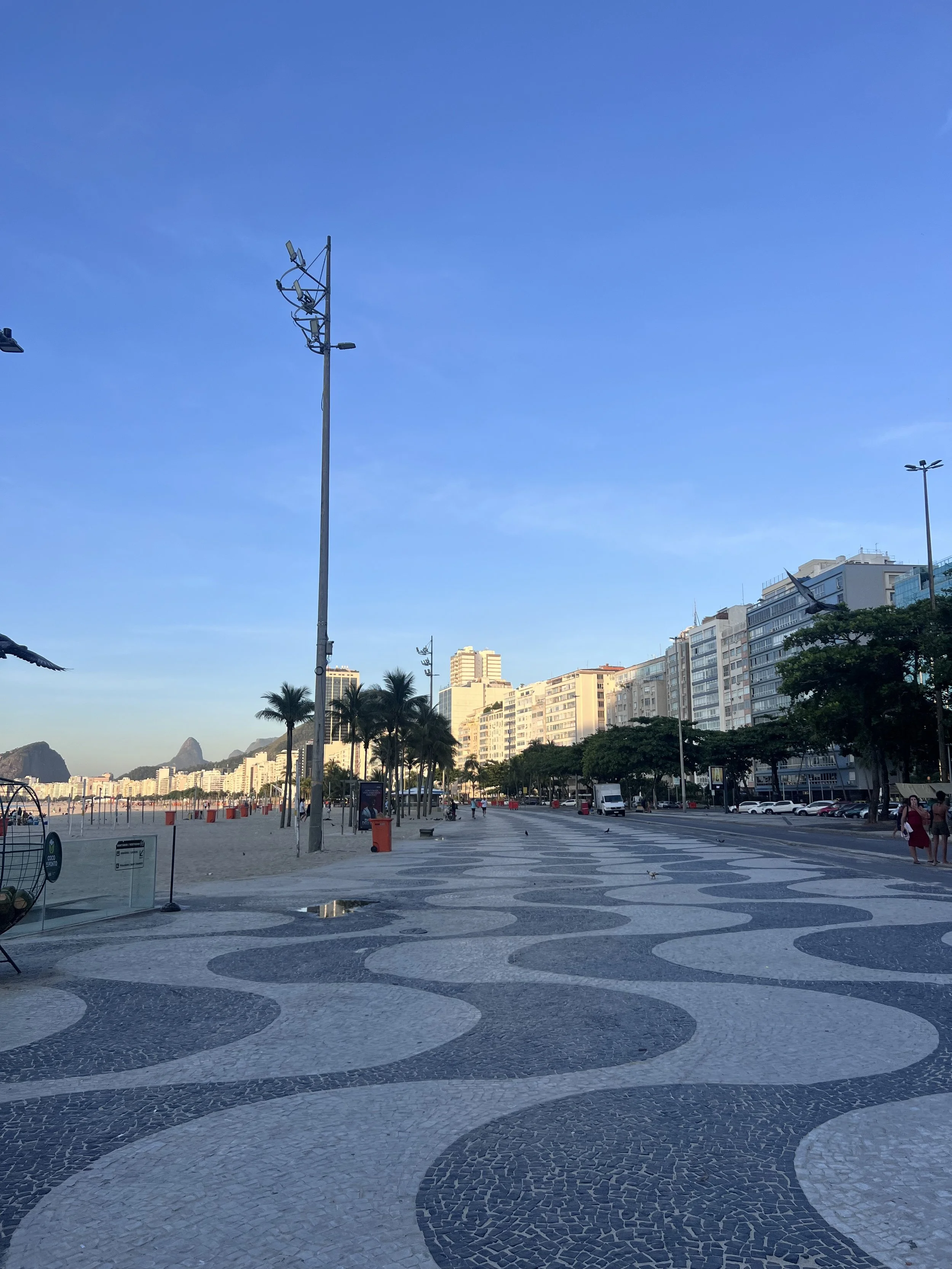
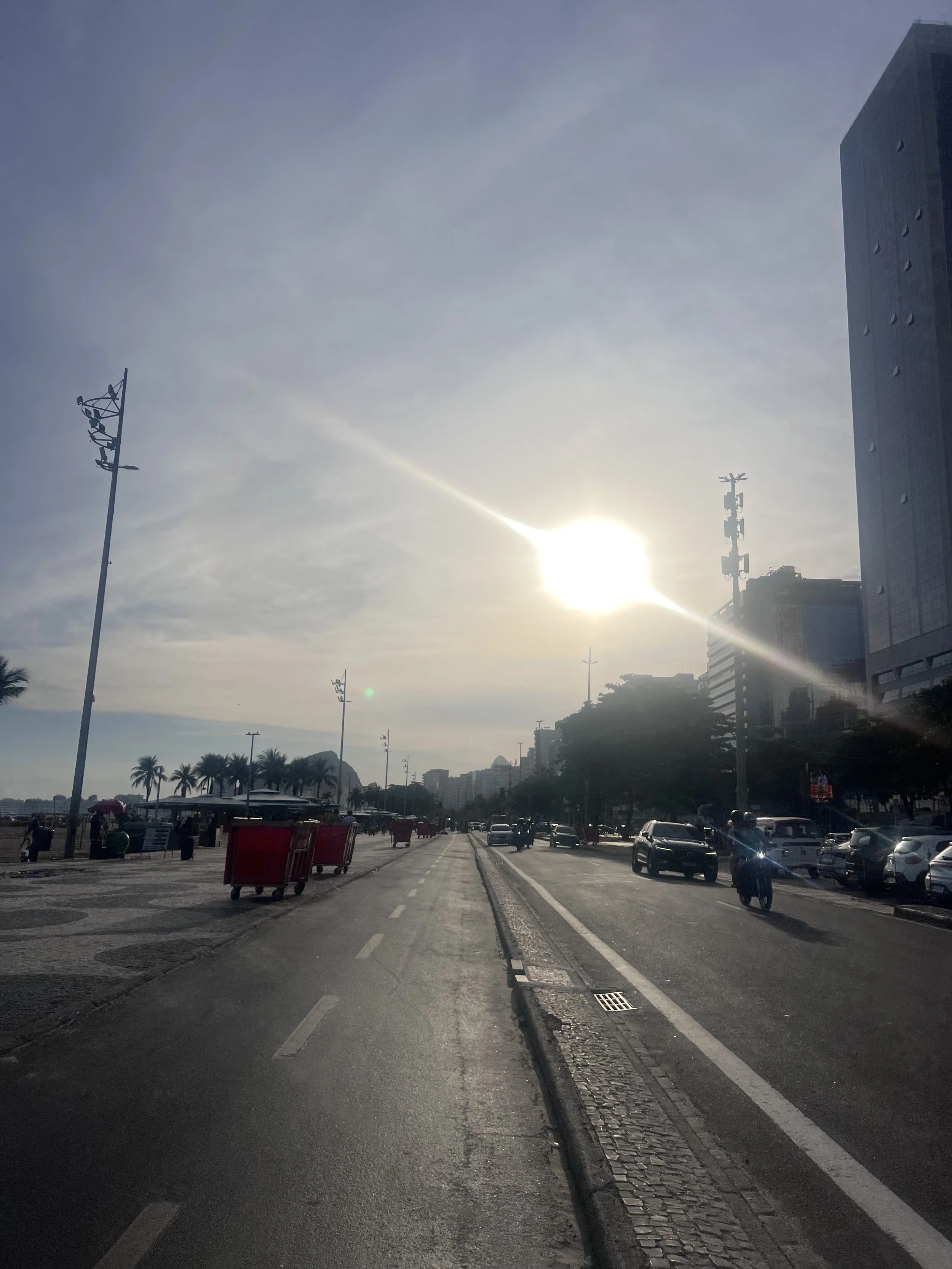
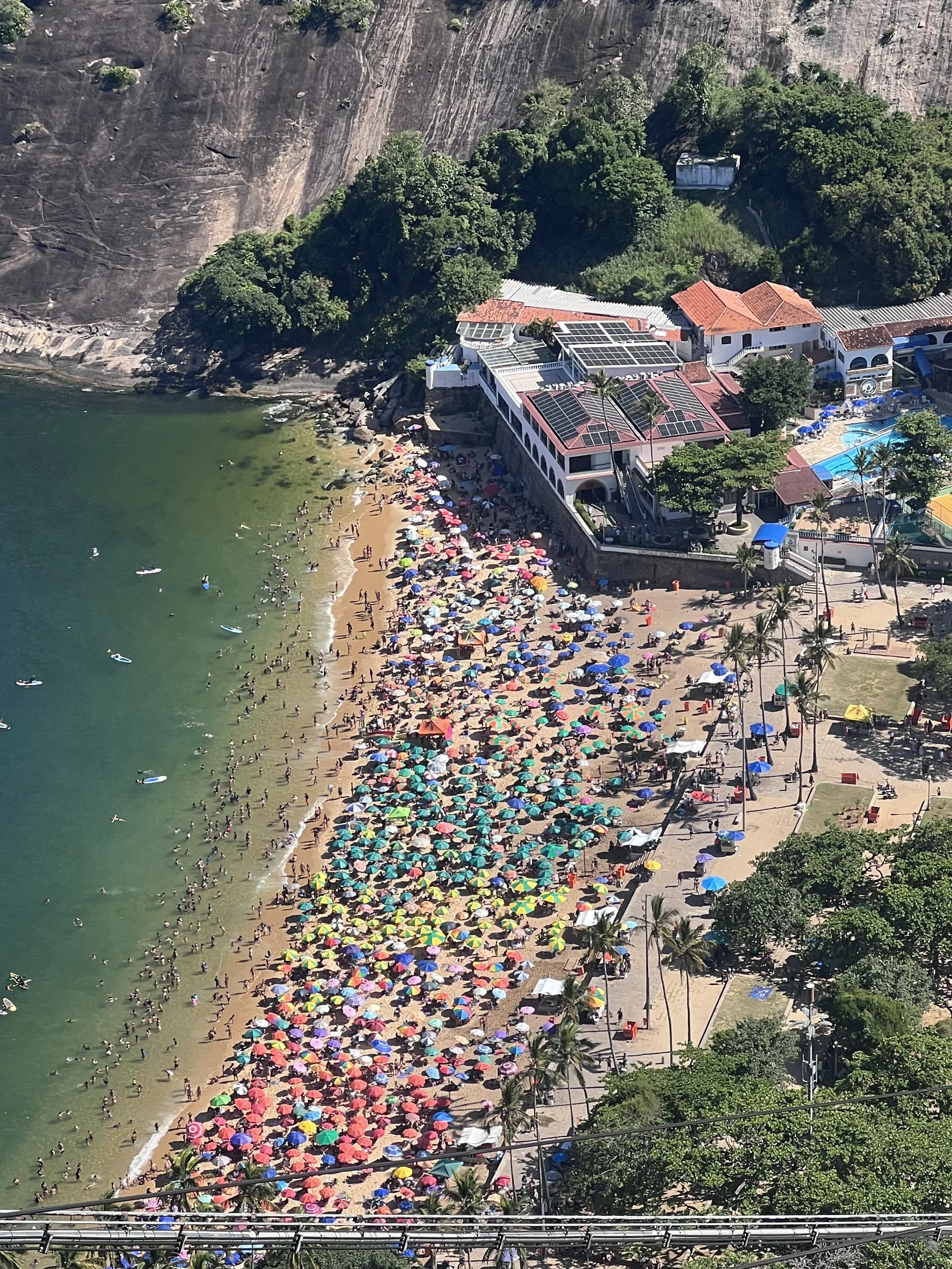
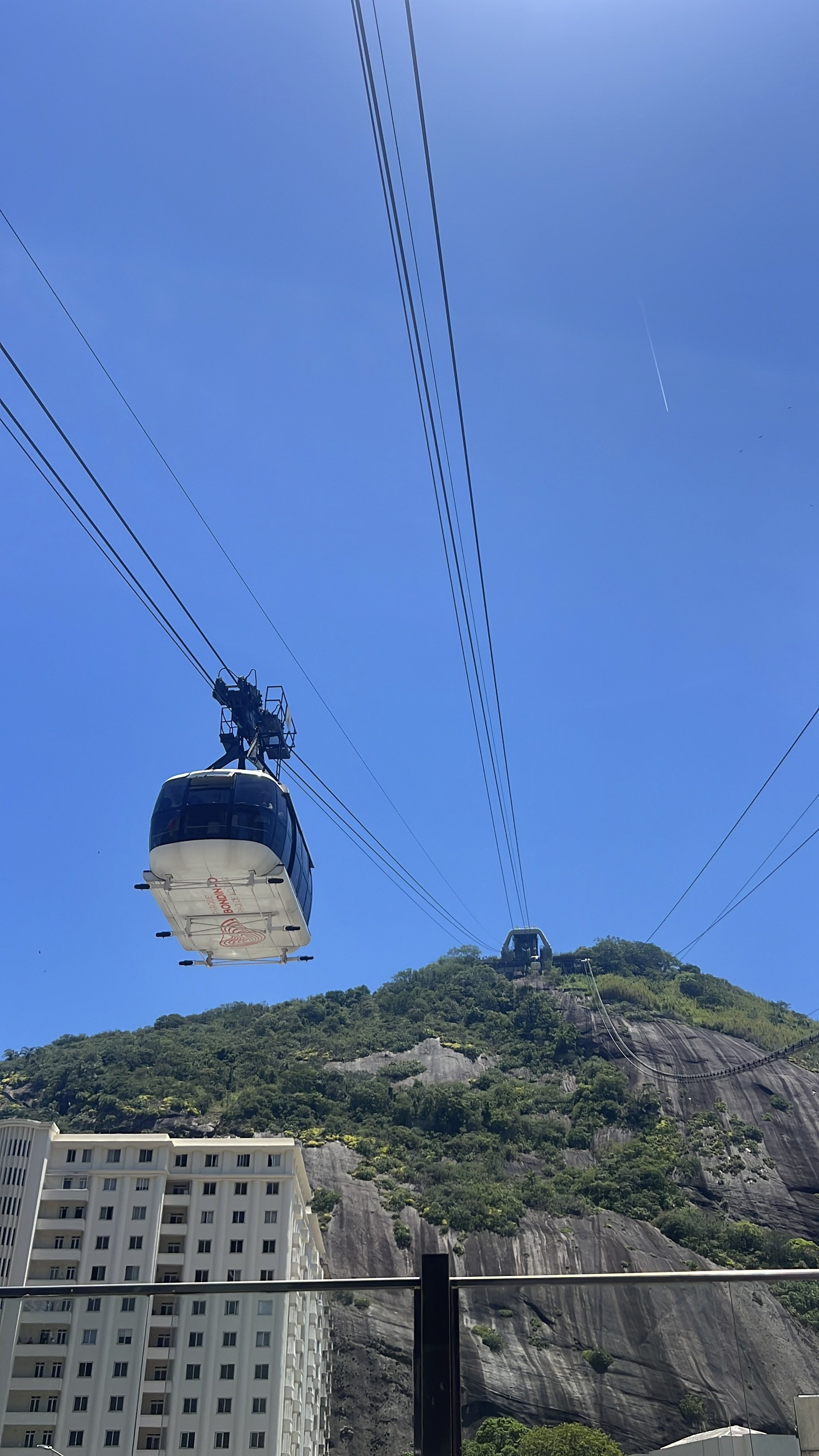
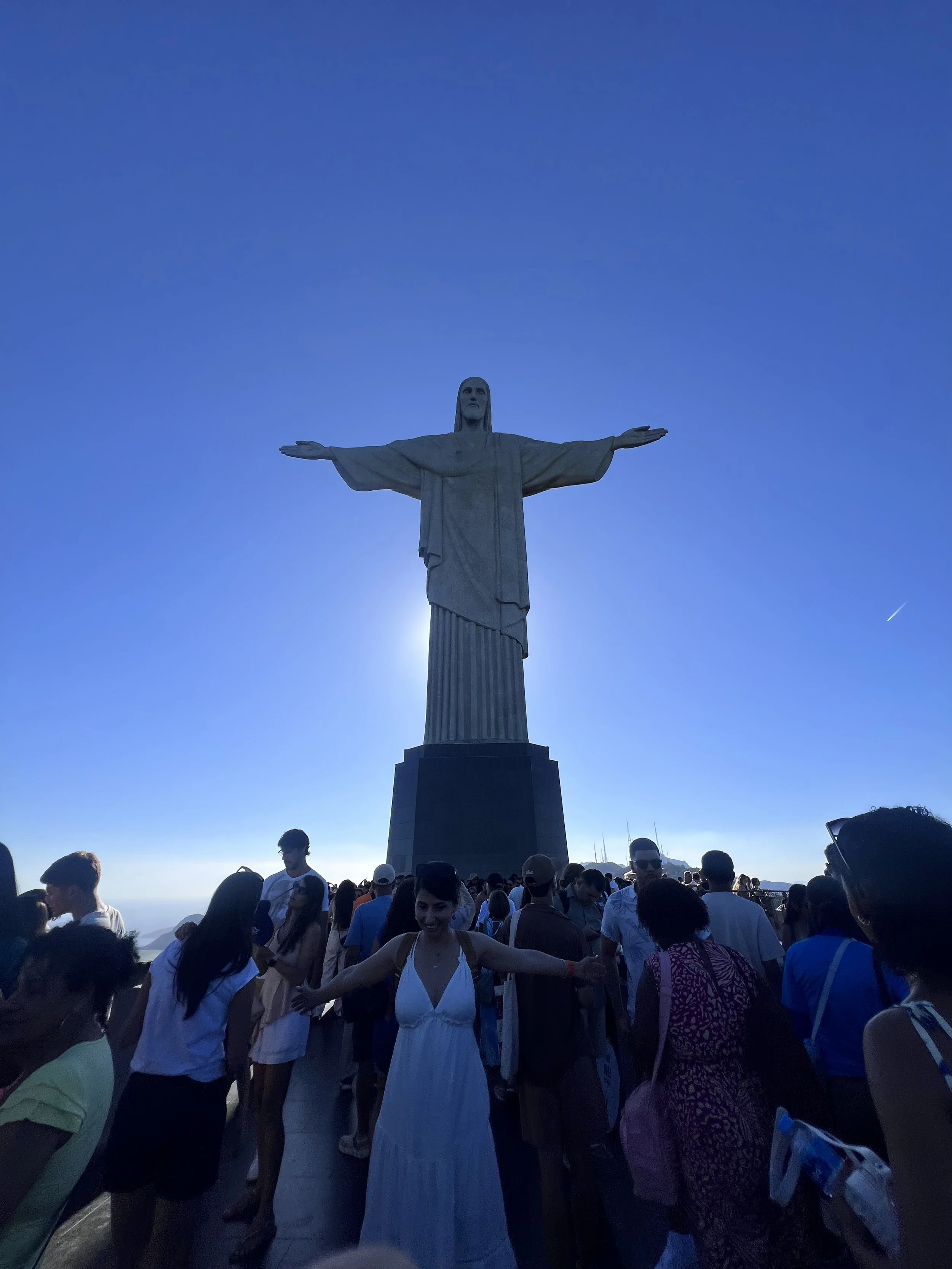
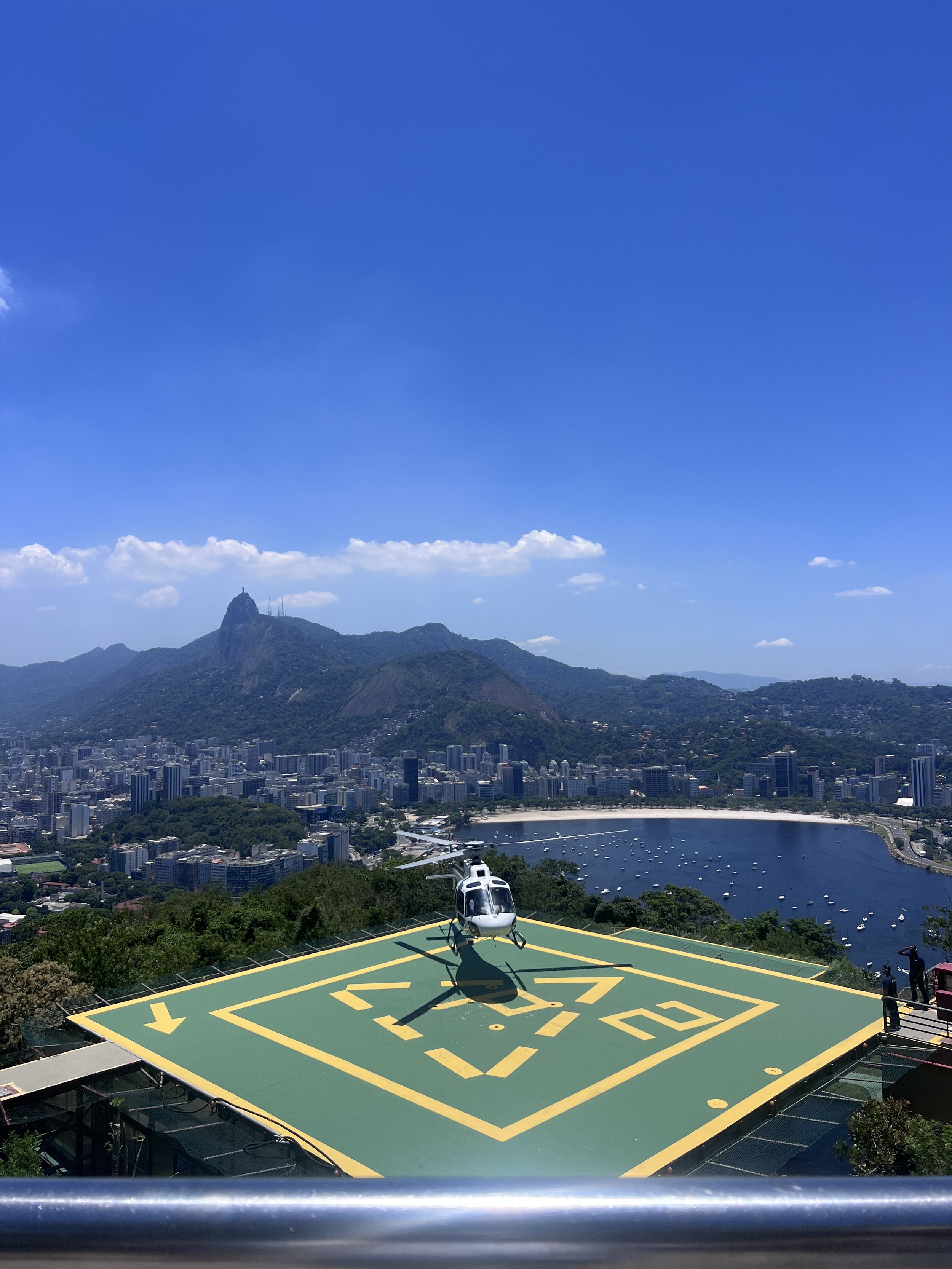
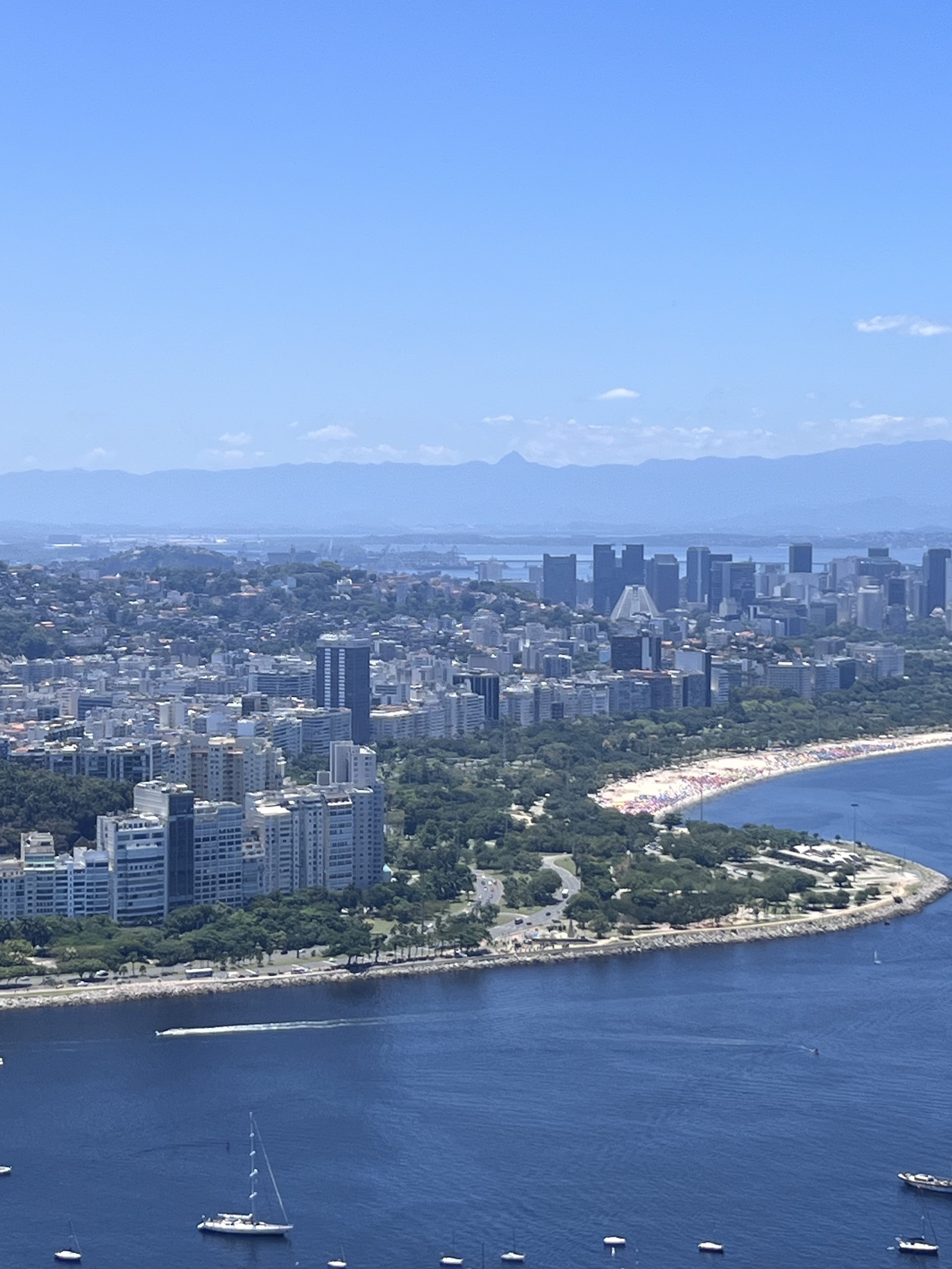
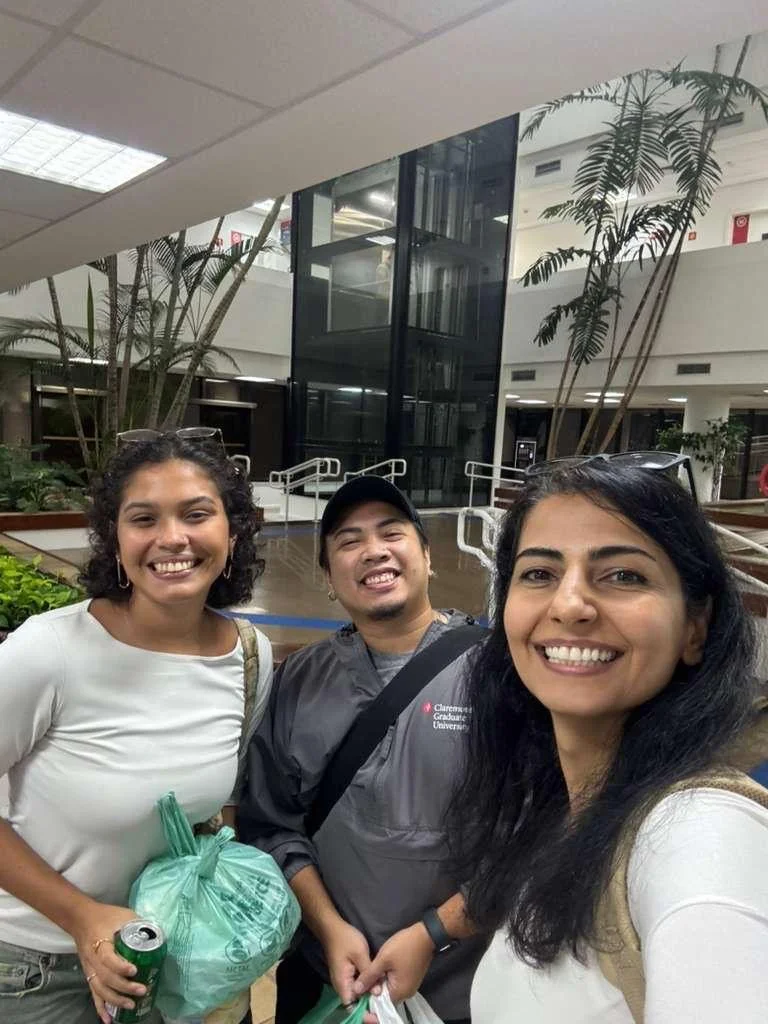
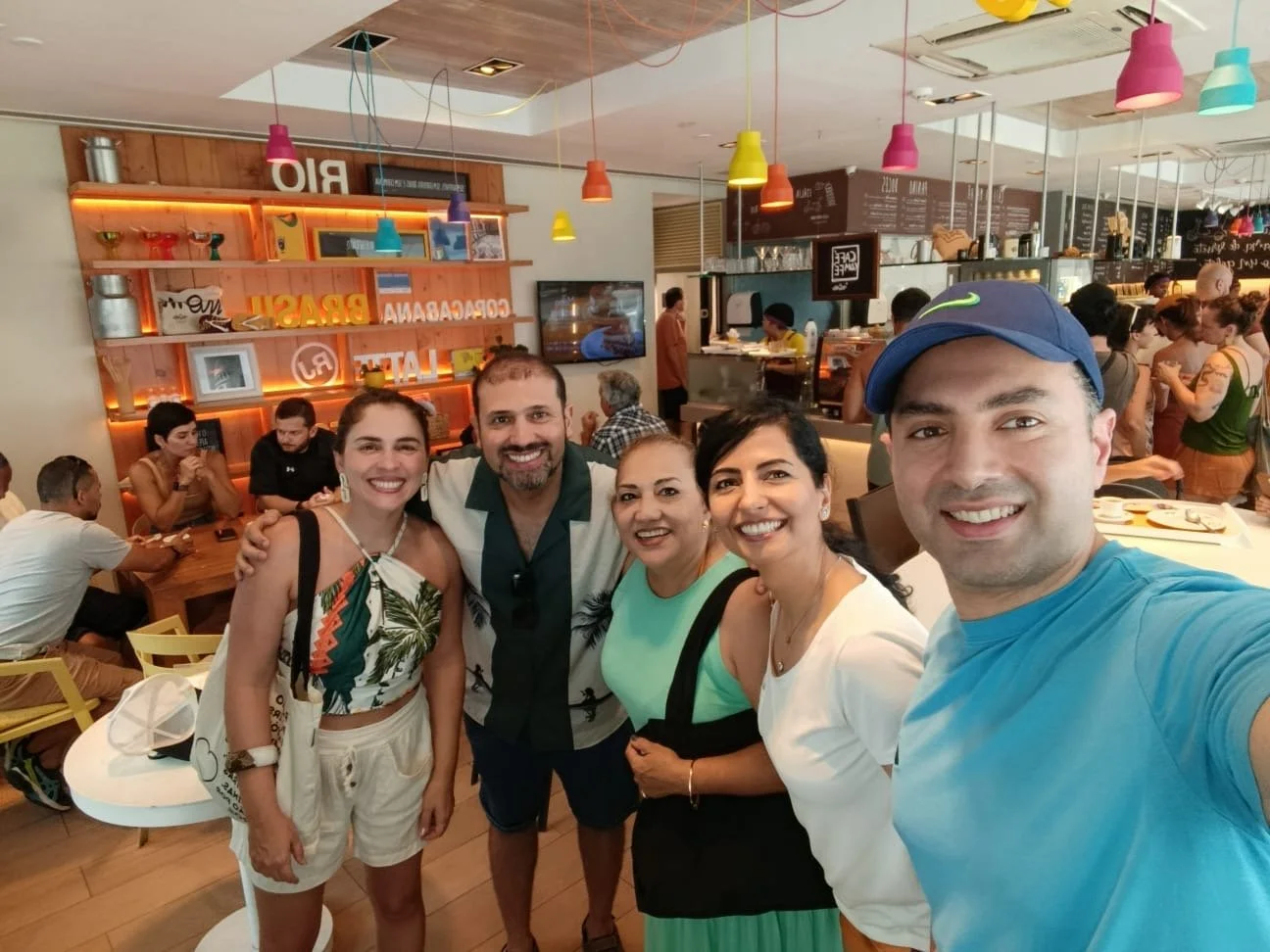
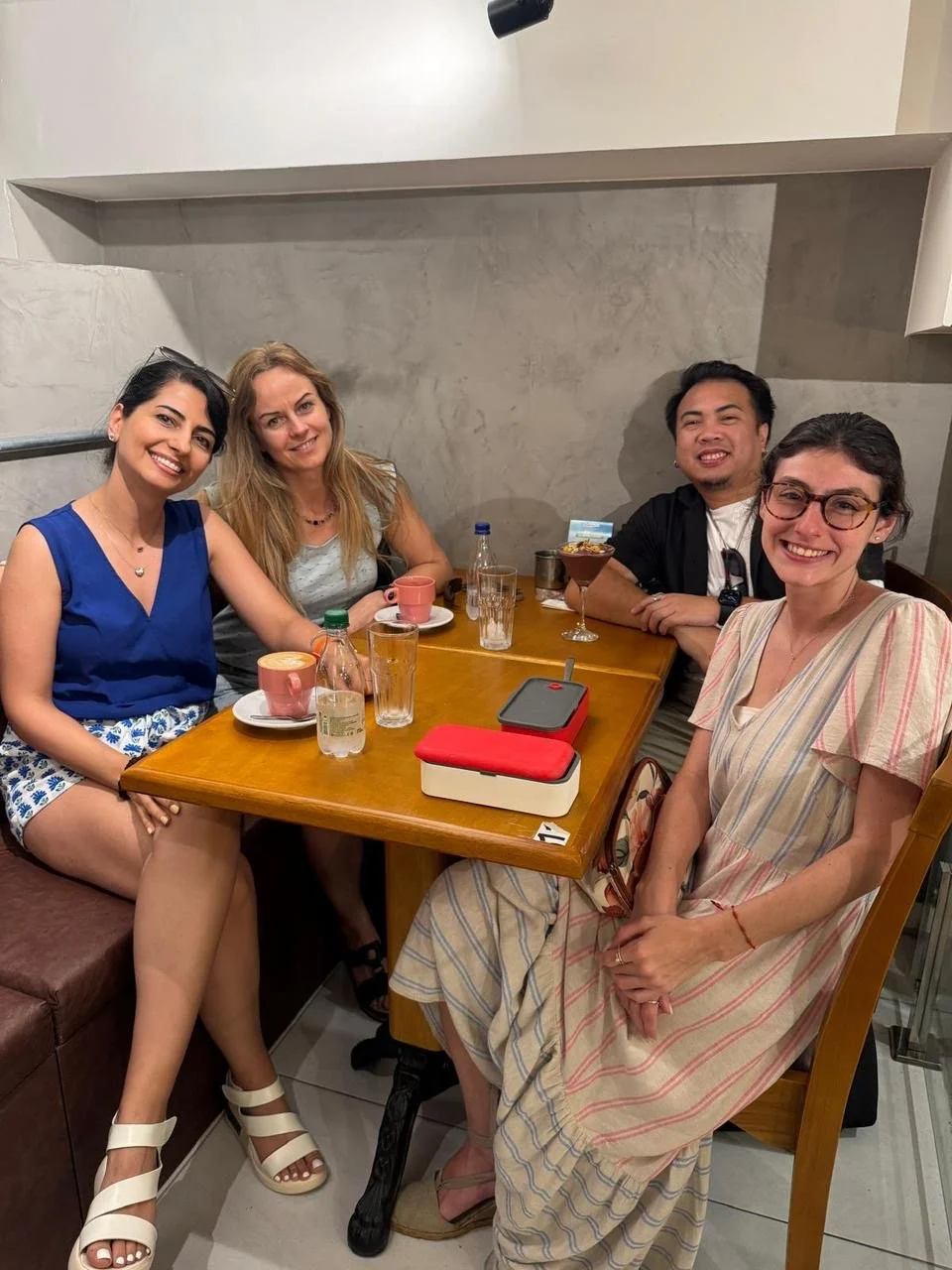
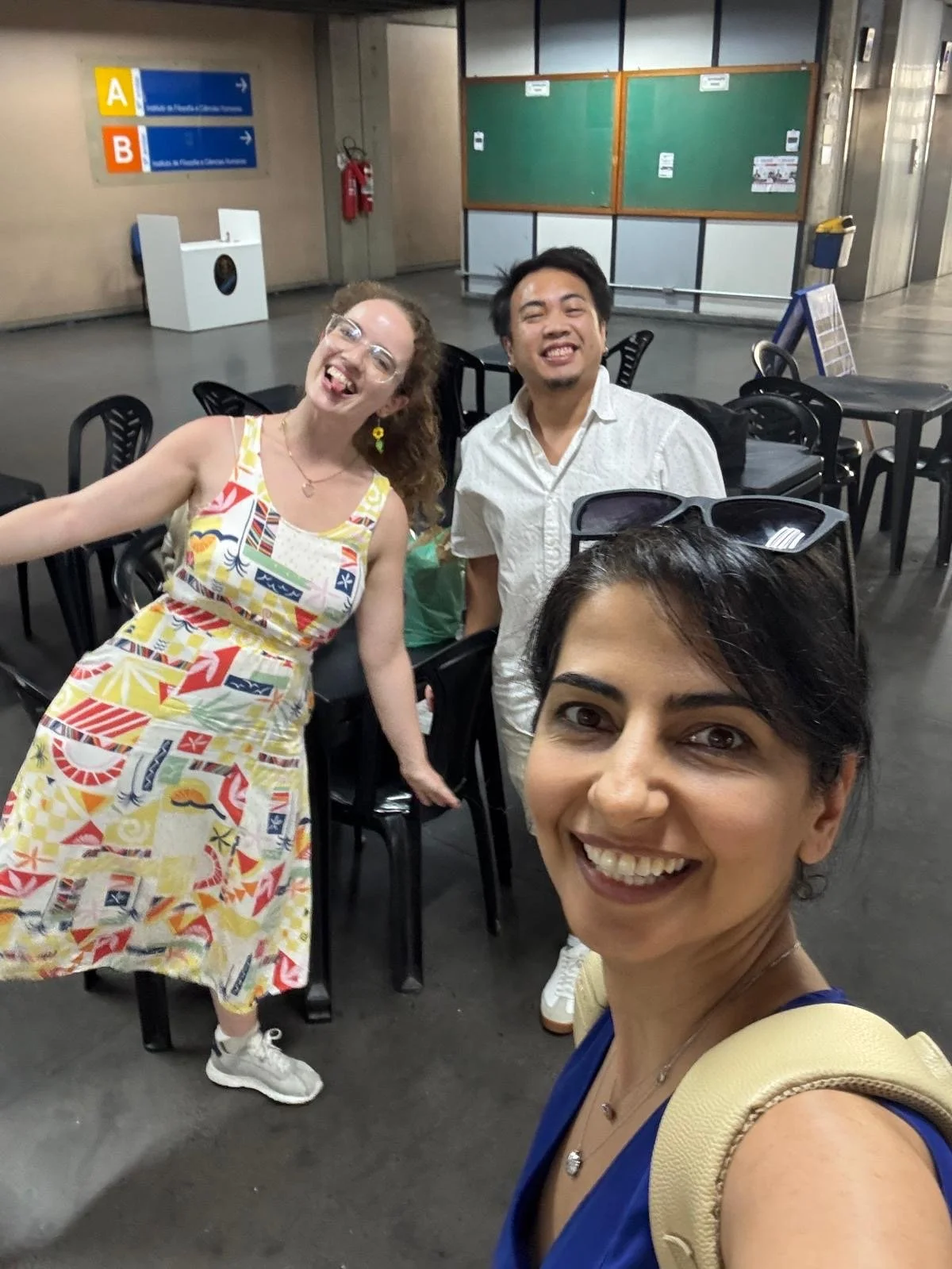
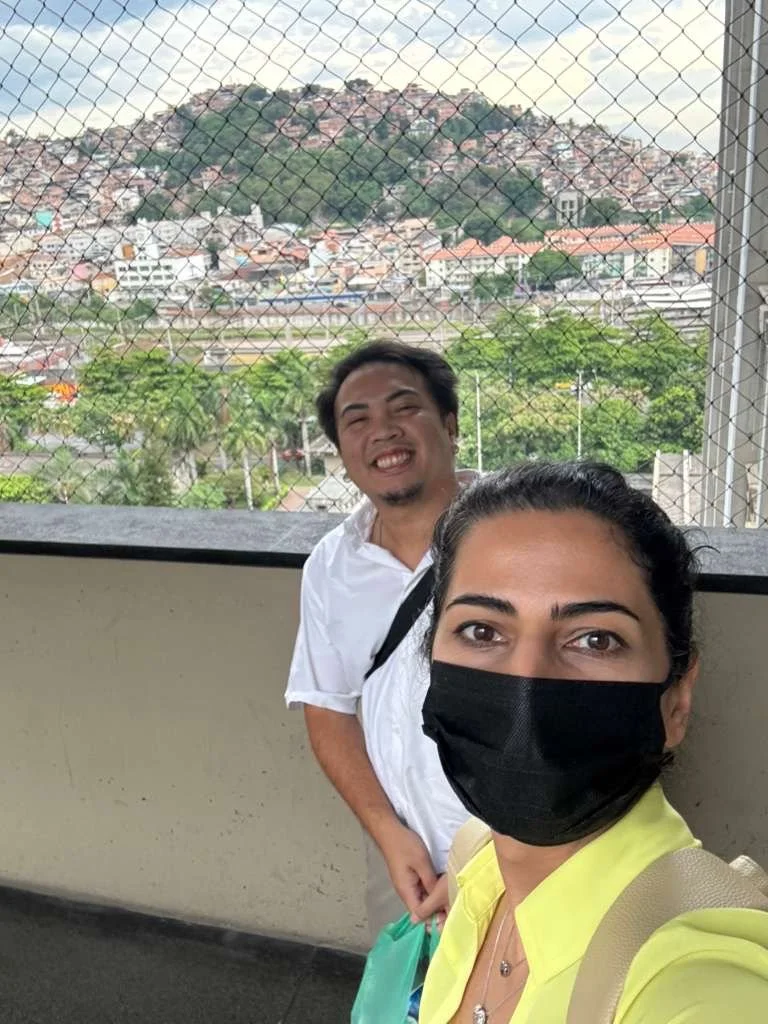
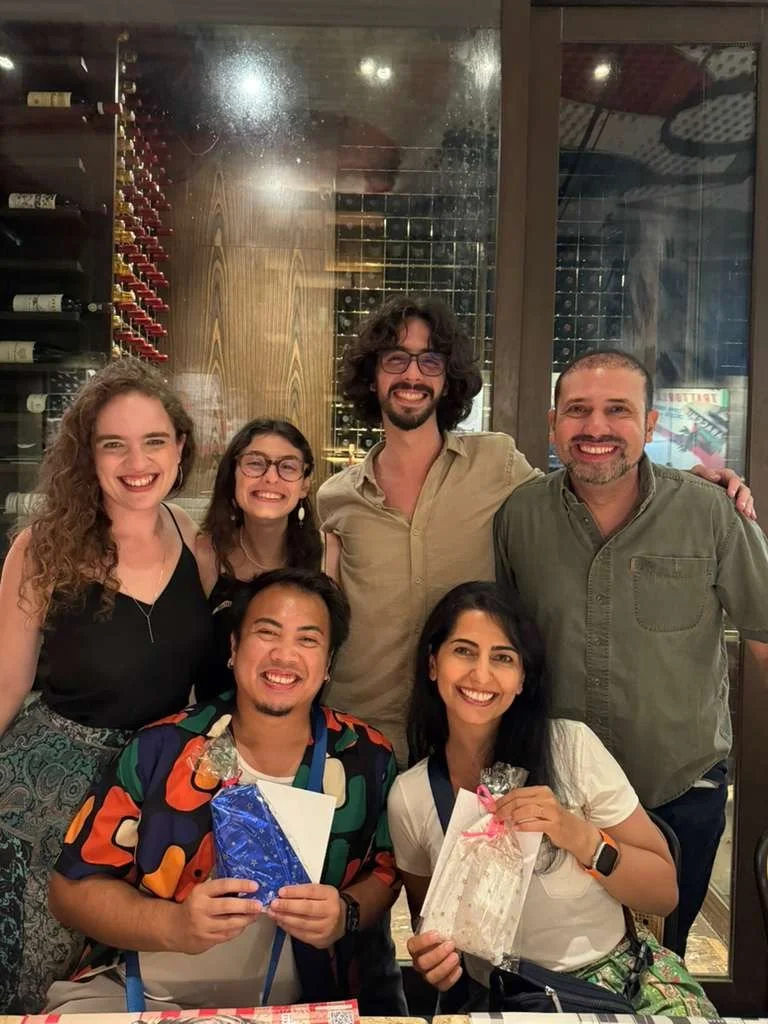
Below is a mini gallery depicting what daily life looked like for the research team in Rio de Janeiro, Brazil!